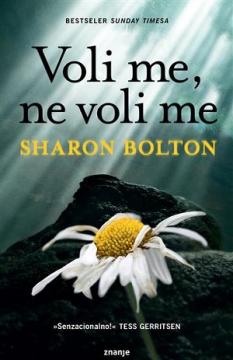
Voli me, ne voli me
Maggie Rose, a former lawyer and author of crime novels based on true events, receives an irresistible offer. Sandra Wolfe, the mother of convicted serial killer Hamish Wolfe, asks her to help her son prove his innocence.
Hamish, a charismatic former surgeon, is sentenced to life in prison for the brutal murders of three obese young women – Bella, Amy and Petra – and a fourth victim, Daisy, is still missing. Although he has been proven guilty, Hamish has a fan club: the Wolfe Club, where supporters like the eccentric Sirocco Silverwood and other women believe in his innocence, sending him love letters and gifts. They see him as a savior, not a monster.
Maggie, who only takes cases she can win, is hesitant – especially when Detective Pete Weston, an old acquaintance and the man who captured Hamish, warns her of the danger. But curiosity and pressure win: she sets out to investigate, reviewing police reports, testimonies and evidence. The story unfolds through multiple perspectives – Hamish’s letters, articles, diary entries – revealing his past: from a doctor who helped patients to his college days in the “Fat Club”, where he and his friends ridiculed and exploited fat women. Is this a motive? Or just a cover-up for deeper secrets?
As Maggie digs deeper, she finds cracks: hair at the crime scene, suspicious memories from witnesses, cars that aren't his. But the investigation becomes personal and dangerous—anonymous threats, origami flowers (Hamish's hobby) left on her doorstep, strange accidents. Pete joins in, and their relationship blossoms amid tension, confronting themes of fat-shaming, obsession with murderers, and how society judges women. Hamish's fans, mostly women with low self-esteem, see him as a mirror of their own insecurities, and Bolton masterfully explores how perception affects self-esteem.
The climax leads to a dark cave, where the truth about Daisy and Hamish's role is revealed in a series of shocking twists. Is he an innocent angel or a cunning demon? The novel combines crime fiction with psychological depth, poking fun at media hysteria and gender stereotypes.
One copy is available