Duhanski put
Ein naturalistischer Roman über den Niedergang der Familie Lesseps im verarmten amerikanischen Süden. Anhand von Elend, Hunger und moralischem Verfall enthüllt Caldwell die verheerenden Auswirkungen der Großen Depression auf den einfachen Mann.
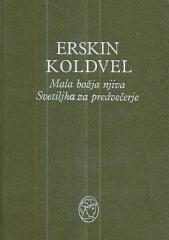
Tobacco Road (1932) ist der berühmteste und einflussreichste Roman des amerikanischen Schriftstellers Erskine Caldwell. Angesiedelt im ländlichen Georgia während der Großen Depression, erzählt er die tragische Geschichte der Familie Lesseps (Lester), ehemaliger Landbesitzer, die in Armut geraten und zu Pächtern geworden sind. Das Familienoberhaupt, Jeeter Lesseps, klammert sich verzweifelt an seinen Großvater und dessen Traum vom Baumwollanbau, obwohl er weder die Mittel noch die Kraft hat, das Land zu bearbeiten.
Caldwell schildert mit schonungslosem Realismus und Elementen schwarzen Humors den vollständigen materiellen, physischen und moralischen Verfall der armen weißen Bevölkerung im amerikanischen Süden. Verarmt und hungrig verlieren die Familienmitglieder nach und nach alle menschlichen Eigenschaften und jedes Mitgefühl: Sie werden nur noch von den grundlegendsten Instinkten des Überlebens, der Nahrungssuche und des sexuellen Verlangens getrieben. Ihre Apathie und Ignoranz verhindern jeglichen Fortschritt, während das kapitalistische System und die Industrialisierung sie unaufhaltsam an den Rand der Gesellschaft drängen.
Der Roman löste bei seinem Erscheinen aufgrund seiner schockierenden und kompromisslosen Darstellung von Tabuthemen einen Sturm der Entrüstung aus, avancierte aber bald zu einem der bedeutendsten Werke der Südstaatenliteratur. Mit bitterer Satire und naturalistischer Erzählweise übt Caldwell nicht nur Gesellschaftskritik, sondern schafft auch ein ergreifendes Zeugnis von Hoffnungslosigkeit und der menschlichen Natur am Rande der Gesellschaft.
One copy is available