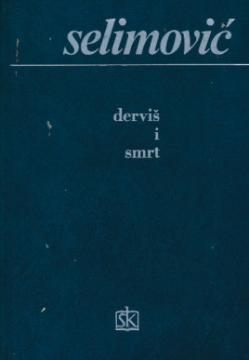
Derviš i smrt
A masterpiece about the dervish Ahmed Nurudin, whose faith and dogmatic peace are destroyed by the arrest of his innocent brother. Faced with injustice and his own conscience, he goes from rebellion to the tragic realization of human loneliness.
"The Dervish and Death", the most famous and significant novel by Bosnian and Yugoslav writer Meša Selimović (published in 1966), is a philosophical and psychological masterpiece focused on the themes of power, morality, identity and human suffering. The plot is set in the 18th century, in Bosnia under Ottoman rule, and the story is told in the form of a confession and diary of the main character, Ahmed Nurudin, the sheikh (dervish) of the tekke in the mahala. Nurudin's previously peaceful, dogmatic and withdrawn life is completely destroyed when his younger brother Harun is unjustly imprisoned. His attempt to save his brother and fight for justice within a corrupt system leads him to painfully confront the hypocrisy of the authorities, false friendships, but also his own weaknesses. Through interior monologues and philosophical reflections, the author depicts the transformation of a peaceful and pious man into an embittered individual permanently marked by hatred and a thirst for revenge, thus becoming part of the very system that destroyed him. Written in a deeply thoughtful, poetic and introspective style, with recognizable introductory and concluding quotations from the Quran, this work transcends its historical and local context. "The Dervish and Death" is a universal and timeless study of human loneliness, the search for meaning and the eternal conflict of the individual with unjust mechanisms of power.
One copy is available
- Traces of patina