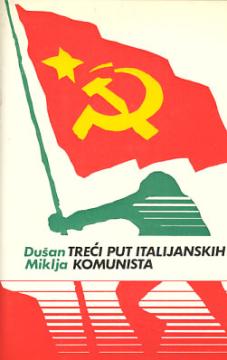
Treći put italijanskih komunista
Editor
Bronislav Fajon
Dimensions
21 x 14 cm
Pages
207
Publisher
Globus, Zagreb
Latin alphabet. Paperback.
Language: Croatian.
One copy is available
Condition:Used, excellent condition
Added to cart!
One copy is available
Are you interested in another book? You can search the offer using our search engine or browse books by category.
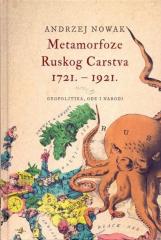
A historical study of the transformations of the Russian Empire from Peter the Great to the early USSR, focusing on imperial geopolitics, ideological patterns, and relations with peoples within the empire.
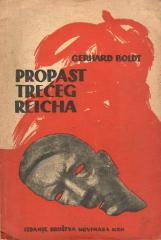
Dnevničko svedočenje oficira sa Istočnog fronta i iz Berlina 1945. godine: slom komande, haos odbrane, iluzije i stvarnost poslednjih dana Trećeg rajha, ispričano hladno, precizno, iz prve ruke.
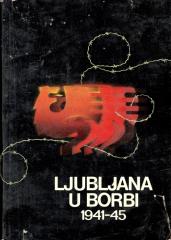
Zbirka okuplja sećanja učesnika narodnooslobodilačke borbe u Ljubljani tokom Drugog svetskog rata. Zbirka sadrži lična svedočanstva, koja pružaju uvid u svakodnevni život, borbu i žrtve stanovnika Ljubljane pod okupacijom.
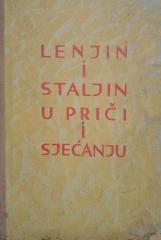
*Lenjin i Staljin u pričama i sećanjima* (1947) predstavlja zbirku memoara i anegdota. U njoj su prikazani likovi i aktivnosti sovjetskih vođa kroz vizuru saboraca, savremenika, kao i zvanične propagande.
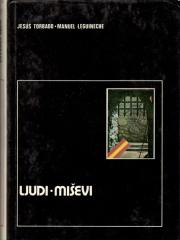
Knjiga "Ljudi miševi" Manuela Leguinechea i Jesúsa Torbada predstavlja iznimno snažno svjedočanstvo o ljudskim sudbinama tijekom i nakon Španjolskog građanskog rata (1936.–1939.).
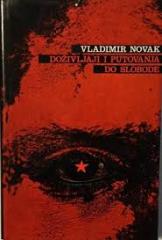
The autobiographical work of Croatian communist activist Vladimir Novak, a survivor of the Ustasha camps, follows his memories of resistance to fascism during World War II.