Rare books
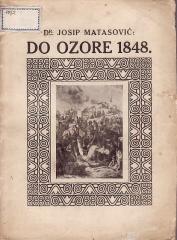
Do Ozore 1848.: Bojni pohod brodskih graničara
An early work by Croatian historian and archivist Josip Matasović, written when he was about 27. The book is one of his first published works and deals with the military-historical theme of the Revolution of 1848/49 in Croatia.
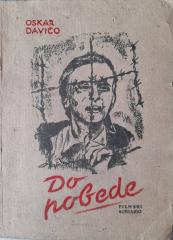

Doživljaji dobrog vojnika Švejka
One of the world's most popular works of humorous prose written in 1921-1923. years. The main character, the "good soldier" Josef Švejk, is a participant in World War I.
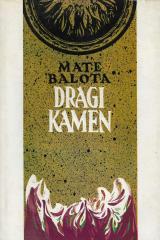
Dragi kamen
The only collection of poems by Mijo Mirković (pseudonym Mate Balota) in the Istrian Chakavian dialect – lyrics of the sea, stone, the suffering of the peasants, faith and love for Istria. The poems celebrate the sea and folk life, with a deep feeling for
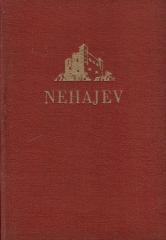
Drame

The third volume of Milutin Nehajev's collected works brings together his plays that trace the author's development from youthful enthusiasm to mature introspection: Prielom, Svjećica, Život, Spasitelj and Klupa na mješečini.
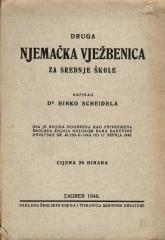
Druga njemačka vježbenica za srednje škole
The Second German Exercise Book for Secondary Schools by Hinka Scheidele (1940) is a textbook for the second grade of secondary schools in the Banovina of Croatia and the NDH. It contains exercises, texts, grammar, and a dictionary for learning the German
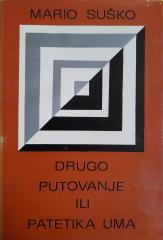
Drugo putovanje ili patetika uma
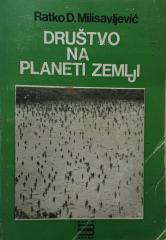
Društvo na planeti Zemlji (uvod u sociologiju planete Zemlje)
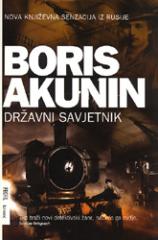
Državni savjetnik
Boris Akunjin is the pseudonym of Grigori Chhartishvili, a Muscovite of Georgian origin. Many of his novels have been screened, including "The State Counselor" starring the famous Russian director Nikita Mikhalkov and actor Oleg Menshikov.
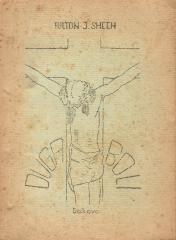
Duga boli
Typed note from the preface: "Reproduced in cyclostyle by the theologians of the Higher Theological School in Đakovo for the use of theologians and priests only."