Seltene Bücher
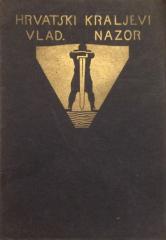

Hrvatski narodni vladari od god. 620.–1102.
Ein bahnbrechender Versuch einer systematischen Darstellung der kroatischen politischen Geschichte von der Einwanderung der Kroaten bis zum Abschluss der Personalunion mit Ungarn. Segher verfolgt die Entwicklung der kroatischen Staatlichkeit chronologisch
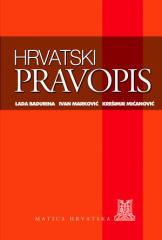
Hrvatski pravopis
The Matica Hrvatska orthography was created to be a useful and reliable aid for all those who use the standard Croatian language in their writing.
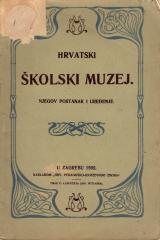
Hrvatski školski muzej, njegov postanak i uređenje
The Croatian School Museum, its Origin and Organization (1902) is a publication that presents the founding, purpose, collections, and organization of the Croatian School Museum as a central institution for the study of the history of education and pedagog
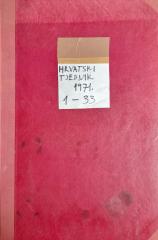
Hrvatski tjednik #1-33
Complete and neatly bound volume of the magazine Hrvatski tjednik from 1971. An original historical document and key testimony about the Croatian Spring, social movements and the political leadership of that era.
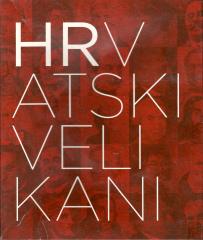
Hrvatski velikani
Hrvatski velikani je zbirka od 20 medaljona, posvećenih poznatim hrvatskim istorijskim ličnostima koje su obeležile hrvatsku kulturu, nauku, politiku i književnost.
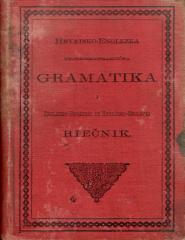
Hrvatsko-englezka teoretsko-praktična gramatika i englezko-hrvatski te hrvatsko-englezki riečnik
Hrvatsko-engleska teorijsko-praktična gramatika sa dvostrukim rečnikom (englesko-hrvatski i hrvatsko-engleski) koju je 1906. godine u Njujorku priredio Dragan M. Jagrović za hrvatske emigrante.
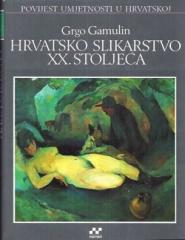
Hrvatsko slikarstvo XX. stoljeća, Svezak prvi
Prvi tom „Hrvatskog slikarstva 20. veka“ Grge Gamulina pruža pregled hrvatske likovne umetnosti od perioda secesije do međuratnog perioda, analizirajući ključne autore i umetničke pokrete.
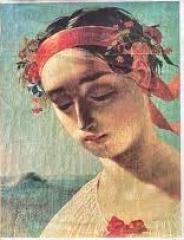
"Hudožnik": Povest Tarasa Ševčenka : illiustratsii, dokumenty / The Artist : a story by Taras Shevchenko : illustrations, documents
Ova dvojezična, rusko-engleska, monografija o velikom ukrajinskom pjesniku, umjetniku, misliocu i revolucionaru, Tarasu Ševčenku (1814-1861) predstavlja jedno vrlo originalno djelo.
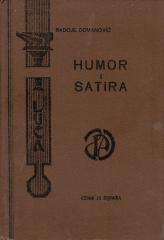
Humor i satira
„Humor i satira“ Radoja Domanovića (1935.) izbor je najpoznatijih satiričnih pripovijedaka srpskog majstora satire. Kritika društva, politike i mentaliteta kroz duhovit i oštar stil.