Matica hrvatska
Ul. Matice hrvatske 2
10000Zagreb
Croatia
Titles in our offer
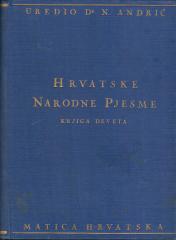
Hrvatske narodne pjesme – Knjiga deveta: Junačke pjesme (odio prvi, sveska šesta)
A collection of heroic, historical, Krajina and Uskok folk songs edited by Dr. Nikola Andrić. The ninth book in the Matice hrvatska series brings together around 40 folk songs with motifs of struggle, defense of honor and heroism.
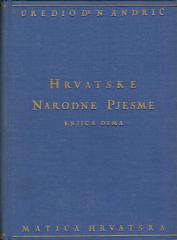
Hrvatske narodne pjesme – Knjiga osma: Junačke pjesme (odio prvi, sveska peta)
The eighth book in the series "Croatian Folk Songs" brings together Uskok and Hajduk folk songs edited by Dr. Nikola Andrić. The collection depicts battles, raids, revengeful exploits, and heroes of Croatian epic.
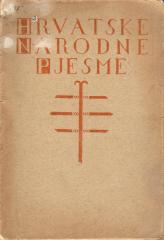
Hrvatske narodne pjesme VI.: Ženske pjesme II. Pričalice i lakrdije
The sixth volume of the famous Matica Hrvatska edition, edited in 1914 by Dr. Nikola Andrić (1867–1942), is a collection of humorous, satirical and humorous women's folk songs (tales and farces).
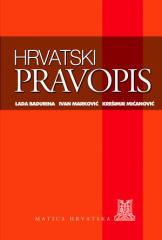
Hrvatski pravopis
The Matica Hrvatska orthography was created to be a useful and reliable aid for all those who use the standard Croatian language in their writing.
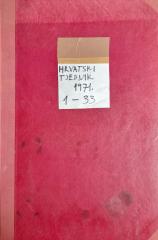
Hrvatski tjednik #1-33
Complete and neatly bound volume of the magazine Hrvatski tjednik from 1971. An original historical document and key testimony about the Croatian Spring, social movements and the political leadership of that era.
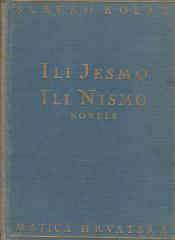
Ili jesmo ili nismo
Either We Are or We Are Not (1933) is Slavko Kolar's most famous collection of short stories. With a satirical and warm sense of humor, Kolar depicts the life of the Croatian village and the common man in interwar Yugoslavia – electoral fraud, bureaucracy
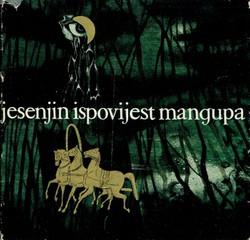
Ispovijest mangupa : izabrane pjesme i poeme
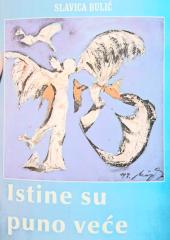
Istine su puno veće
The poetry collection of Slavica Bulić from 1999 brings reflective and intimate lyrics dedicated to deeper life insights, inner truth, feelings, transience and the search for meaning in everyday life.
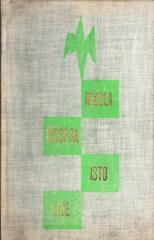
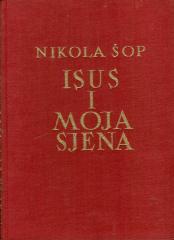
Isus i moja sjena
Jesus and My Shadow (1934) is Nikola Šop's most famous collection. The poet intimately humanizes Jesus and brings him into the everyday life of the poor, nature, and ordinary things. In a Franciscan spirit, he celebrates simplicity, poverty, and the divin