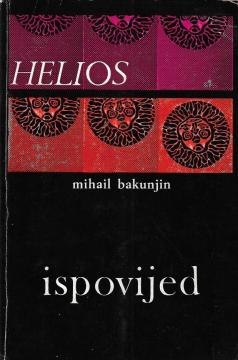
Ispovijed
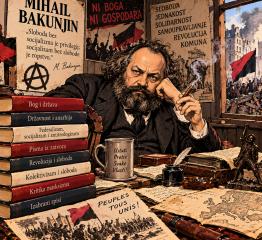
Potresno svjedočanstvo ruskog revolucionara napisano u carskom zatočeništvu. Između osobne ispovijesti, političke analize i pokušaja opravdanja otkriva se drama borbe za slobodu.
Ispovijed je izniman autobiografski i politički dokument Mihaila Bakunjina, jednog od najvažnijih predstavnika revolucionarnog anarhizma 19. stoljeća. Napisana 1851. godine u zatočeništvu Petropavlovske tvrđave u Sankt Peterburgu, na zahtjev cara Nikole I., knjiga otkriva složen odnos revolucionara prema vlastitim uvjerenjima, političkom djelovanju i represivnoj državnoj moći.
Nakon sudjelovanja u europskim revolucijama 1848. i 1849., Bakunjin je uhićen, osuđen i izručen ruskim vlastima. U Ispovijedi iznosi svoju životnu i političku putanju, opisuje revolucionarne krugove, nacionalne pokrete i vlastitu ulogu u previranjima koja su zahvatila Europu.
Tekst je osobito zanimljiv zbog napetosti između revolucionarnih ideala i okolnosti zatočeništva. Obraćajući se samome caru, Bakunjin naizmjence priznaje pogreške, kritizira društvene prilike i razmatra sudbinu Rusije i slavenskih naroda. Zbog okolnosti nastanka, njegova se svjedočanstva ne mogu čitati kao potpuno slobodan izraz političkih uvjerenja, nego i kao pokušaj preživljavanja pred apsolutnom vlašću.
Ispovijed pruža dragocjen uvid u psihologiju revolucionara, povijest europskih ustanaka i mehanizme političke represije. Istodobno je važan izvor za razumijevanje Bakunjinova intelektualnog razvoja i proturječja revolucionarnog 19. stoljeća.
Jedan primjerak je u ponudi
![Das Kapital. Buch III: Der Gesammtprozess der kapitalistischen Produktion. Dritter Band, erster [und] zweiter Theil. Erste Auflage](https://arka-knjiga.hr/static/images/books/b14921-1717497118559240.jpg)