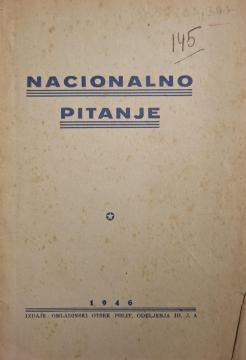
Nacionalno pitanje
One copy is available
- Slight damage to the cover

One copy is available
Are you interested in another book? You can search the offer using our search engine or browse books by category.
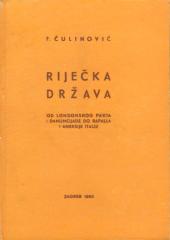
A historical and political monograph by Ferdo Čulinović (1897–1971), a prominent Croatian legal historian, about the turbulent history of Rijeka from 1915 to 1924, with an emphasis on the Italian occupation and the Treaty of Rapallo.
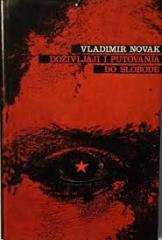
The autobiographical work of Croatian communist activist Vladimir Novak, a survivor of the Ustasha camps, follows his memories of resistance to fascism during World War II.
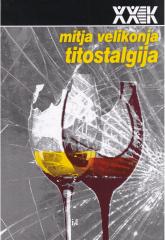
The author explores why Tito remains a popular symbol of stability, social security and independence, despite critical views of his regime. The book maps the cultural, political and everyday manifestations of "Titostalgia".
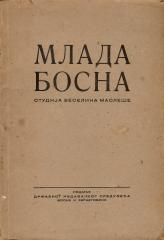
The first edition of Veselin Masleša's famous historical and journalistic study on the Young Bosnia movement, published in Sarajevo in 1945, immediately after the end of World War II.
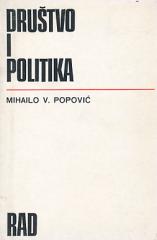
The book represents a fundamental sociological and political science work that deals with the relationship between social structures and political systems, with special emphasis on Marxist theory, self-management, and the socialist society of the former
And what kind of husband was Tito? Man? The first Croatian biography of Comrade Jovanka answers that question, which was really of great interest to about 20 million Yugoslavs.