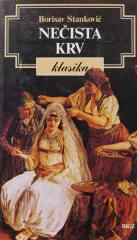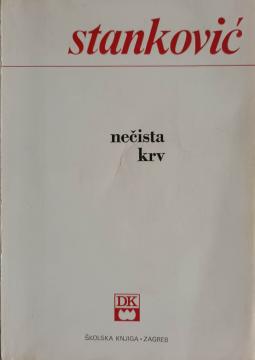
Nečista krv
U Vranju krajem 19. stoljeća Sofka, prelijepa djevojka iz ugledne, ali propale obitelji, nosi „nečistu krv“ ciganskog podrijetla. Njezina ljepota i strast privlače muškarce, ali sudbina je nemilosrdna: brak iz interesa, nasilje, ludilo i tragičan kraj.
Nečista krv Bore Stankovića (1899./1902.) remek-djelo je srpske i južnoslavenske književnosti, najsnažniji prikaz balkanskog malograđanskog društva, strasti, predrasuda i sudbine pojedinca zarobljenog u nasljeđu i okolini.
Radnja se odvija u Vranju, malom gradu na jugu Srbije, u vrijeme turske vladavine i početka modernizacije. Glavna junakinja je Sofka, izuzetno lijepa djevojka iz nekad bogate i ugledne obitelji Hadži Trifunovića. Njezin djed bio je ugledan trgovac, ali obitelj je propala, a najveća tajna je da Sofkina baka ima cigansko podrijetlo – „nečistu krv“ koja se u malom gradu ne prašta.
Sofkina ljepota postaje prokletstvo: svi je žele, ali nitko je ne cijeni kao osobu. Otac je udaje za bogatog, ali starog i nasilnog trgovca Mitketa kako bi spasio obitelj od bijede. Brak je katastrofa – nasilje, poniženje, Sofkina strast prema drugom muškarcu (Tomči), ljubomora, skandal. Sofka se bori između ponosa, želje za slobodom i straha od društva koje je osuđuje.
Roman kulminira u tragičnom raspadu: Sofka tone u ludilo, obitelj se uništava, a „nečista krv“ postaje metafora za sudbinu koju ne možeš pobjeći – nasljeđe, društvene predrasude, balkanski fatalizam i nemogućnost individualne sreće u skučenom, patrijarhalnom svijetu.
Stanković majstorski prikazuje psihologiju likova, erotsku napetost, mirise i zvukove orijentalnog Vranja, kontrast između ljepote i ružnoće života. Jezik je bogat, ritmičan, pun dijalekta i narodnih elemenata – to je pravi balkanski realizam s elementima naturalizma.
Više primjeraka je u ponudi