Institut za povijest umjetnosti Sveučilišta u Zagrebu
Zagreb
Hrvatska
Naslovi u ponudi
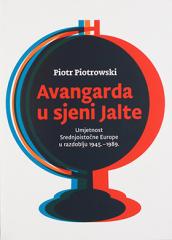
Avangarda u sjeni Jalte: umjetnost Srednjoistočne Europe u razdoblju 1945.–1989.
Eine komplexe Studie zur Kunstproduktion im Raum zwischen dem „Eisernen Vorhang“ und den Grenzen der ehemaligen Sowjetunion, die die Ereignisse in der Kunstszene Bulgariens, der Tschechoslowakei, Deutschlands, Ungarns, Polens, Rumäniens und des ehemaligen
Baština u fokusu – 50 godina Instituta za povijest umjetnosti u Zagrebu (1961.–2011.)
Dieses Buch richtet sich als zweisprachige Ausgabe (Kroatisch-Englisch) an Experten und die breite Öffentlichkeit, also an alle interessierten Leser, die sich für das künstlerische Erbe Kroatiens interessieren.
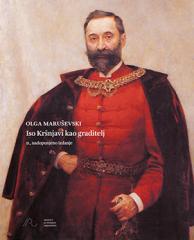
Iso Kršnjavi kao graditelj – izgradnja i obnova obrazovnih, kulturnih i umjetničkih spomenika u Hrvatskoj
Ohne Strossmayer undenkbar, nach Mažuranić möglich, und zu Khuens Zeiten hätte es nicht anders sein können – der richtige Mann zur richtigen Zeit. Zweite Ausgabe.
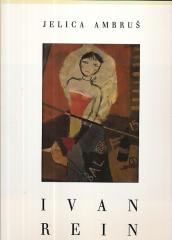
Ivan Rein
Die bedeutende Monografie *Ivan Rein* von Jelica Ambruš bietet eine fundierte fachliche Würdigung sowie einen Überblick über Leben und Werk dieses vergessenen kroatischen Malers.
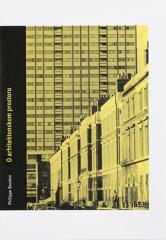
O arhitektonskom prostoru: eseji o epistemologiji arhitekture
Philippe Boudon, arhitekt i teoretičar arhitekture, začetnik je znanstvene discipline nazvane arhitekturologija, koje je cilj razumijevanje arhitekture sa stanovišta mjerila i proporcije.
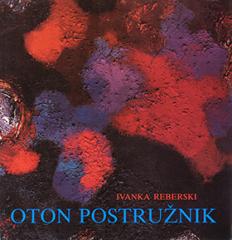
Oton Postružnik: u znaku likovne preobrazbe
Ovom se monografijom Oton Postružnik opravdano nameće kao jedan od najznačajnijih protagonista hrvatskog modernog slikarstva.
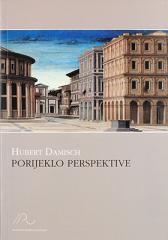
Porijeklo perspektive
Autor se bavi propitivanjem perspektive. Od uobičajenog razmatranja perspektive kao optičkog i simboličnog problema ulazi u jedan širi interdisciplinarni intelektualni sklop tipičan za suvremeni pristup kulturološkim problemima.
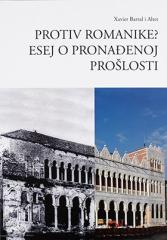
Protiv romanike? Esej o pronađenoj prošlosti
U ovoj knjizi propituje se sam pojam romanike i romaničke umjetnosti, istražuju mu se korijeni, a prije svega njegova se historiografska geneza postavlja u osebujan kulturni kontekst prve polovice 19. stoljeća.
Radoslav Putar: Likovne kritike, studije i zapisi 1950.‒1960.