Velimir Deželić-sin

Velimir Deželić junior (Vienna, 28 May 1888 – Zagreb, March 1976) was a Croatian writer, editor, lawyer, puppeteer and theatre director. He used the designation “sin”, meaning “son”, to distinguish himself from his father, the writer and librarian of the same name. He studied in Vienna, Munich and Zagreb, completing his legal studies in 1919.
Associated with Croatian Catholic intellectual circles and the Croatian Literary Society of St Jerome, Deželić linked writing with education, religious culture and social concerns. He edited Krijes and Mladost, helped establish Riječke novine and published studies on cultural, social and ethnographic subjects. Folk customs, urban traditions and their theatrical reconstruction were recurring interests.
His novels include ** Sofiju odabra (1927)**, a fictionalised life of St Cyril, and Sedam puta udarani (1928), devoted to St Jerome. Contemporary society and moral dilemmas inform Feminist (1930), Sitna sreća (1938) and Divlji oganj (1943). His social writings include Socijalno pitanje (1926) and Obnova socijalnog poretka (1934), co-authored with Stjepan Bakšić.
Deželić also made an important contribution to Croatian puppetry. A co-founder of Zagreb’s Teatar marioneta in 1920, he directed Dragutin Domjanić’s Petrica Kerempuh i spametni osel, the first Croatian puppet production of the interwar period. He wrote librettos for composer Božidar Širola, including Citara i bubanj, Grabancijaš and Mladi gospodin.
His two-volume family memoir, Kakvi smo bili? Zapisi mojoj unučadi. Život zagrebačke obitelji od 1827. do 1953., appeared posthumously in 2011. Combining family recollection with cultural history, it documents several generations of the Deželić family and their connections with Zagreb’s intellectual and social life.
Naslovi u ponudi
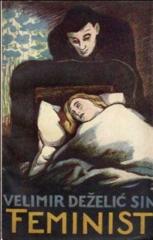
Feminist: roman iz nedavne prošlosti
A social novel with a thesis, which follows a young intelligent woman who fights for education, independence and equality in the conservative society of the 1920s, advocating for women's emancipation and financial independence.
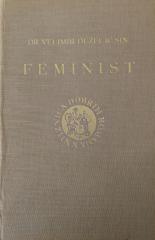
Feminist: roman iz nedavne prošlosti
Društveni roman s tezom, koji prati mladu inteligentnu ženu koja se bori za obrazovanje, samostalnost i ravnopravnost u konzervativnom društvu 1920-ih, zagovarajući žensku emancipaciju i financijsku neovisnost.
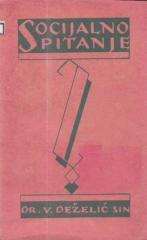
Socijalno pitanje
Socijalno pitanje (1926.) je kraća studija katoličkog pristupa socijalnim problemima. Nastala iz predavanja Hrvatskog katoličkog pokreta, obrađuje radničko pitanje, nejednakost i kršćanska rješenja nasuprot socijalizmu i liberalizmu.