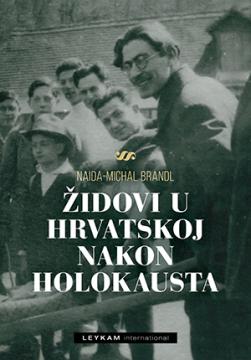
Židovi u Hrvatskoj nakon Holokausta
No copies available
The last copy was sold recently.

No copies available
The last copy was sold recently.
Are you interested in another book? You can search the offer using our search engine or browse books by category.
The author explores why Tito remains a popular symbol of stability, social security and independence, despite critical views of his regime. The book maps the cultural, political and everyday manifestations of "Titostalgia".
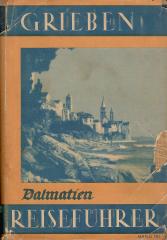
The 1938 guidebook by the German publisher Grieben systematically describes Dalmatia with its islands and hinterland. It includes 18 maps, 24 illustrations and practical notes for drivers, offering a route by route through the coast.
An analysis of Tito’s role in the creation and development of the Non-Aligned Movement. The book examines the doctrinal and practical aspects of Yugoslav foreign policy during the Cold War era and the struggle for peace.
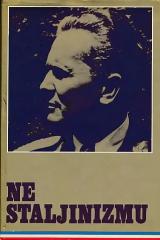
Zvonko Staubringer's book "No to Stalinism" (1980) documents and analyzes the historical resistance of Yugoslavia and Josip Broz Tito to Soviet pressure and the defense of an independent path to socialism.
Collection of documents on the Treaty of Rapallo (12. XI. 1920.) between the Kingdom of Serbs, Croats, Slovenes and Italians. Selected and edited by Vojislav M. Jovanović. Contains 65 documents on the negotiations and agreement.
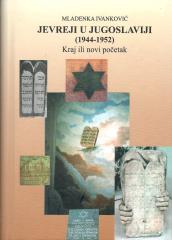
Jews in Yugoslavia 1944–1952 by Mladenka Ivanković depicts the renewal of the life of the Jewish community after the Holocaust, its relationship with the new authorities, and emigration to Israel and the preservation of identity.