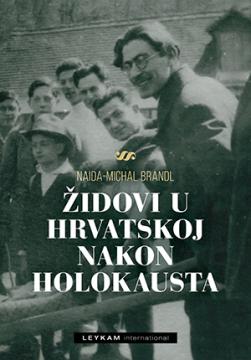
Židovi u Hrvatskoj nakon Holokausta
Nema primjeraka u ponudi
Poslednji primjerak je nedavno prodan.
Nema primjeraka u ponudi
Poslednji primjerak je nedavno prodan.

Zanima Vas i neka druga knjiga? Možete pretražiti našu ponudu pomoću tražilice ili prelistati knjige po kategorijama.
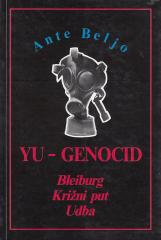
A non-fiction book by Ante Belja about post-war liquidations, repression by the Yugoslav authorities and the activities of the UDBA, from the perspective of Croatian political emigration.
The author explores why Tito remains a popular symbol of stability, social security and independence, despite critical views of his regime. The book maps the cultural, political and everyday manifestations of "Titostalgia".
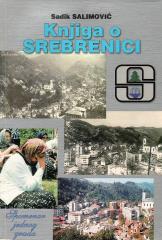
Sadik Salimović's Book of Srebrenica (2002) is a memoir of the city: from Ottoman settlement, Islamization and development to the war suffering of 1992–1995 and genocide. It preserves the identity and memory of life before and after the tragedy.
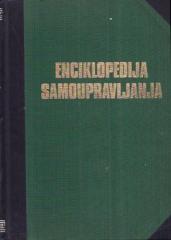
A comprehensive encyclopedia of the theory and practice of Yugoslav self-management socialism, featuring entries on associated labor, workers' councils, the delegate system, the economy, law, and social relations.
The book analyzes how conflicting historical narratives about the suffering and mass emigration of Italians from Istria and Rijeka developed in Croatia and Italy after World War II (1943–1956), debunking myths and encouraging an empathetic approach to the
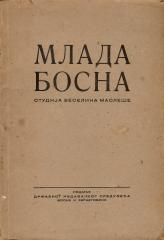
The first edition of Veselin Masleša's famous historical and journalistic study on the Young Bosnia movement, published in Sarajevo in 1945, immediately after the end of World War II.