Majstor i Margarita
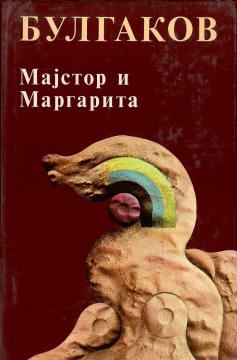
"Majstor i Margarita" je remek-delo ruskog pisca Mihaila Bulgakova, jedno od najpoznatijih i najcenjenijih dela svetske književnosti. Roman je nastajao tokom tridesetih godina 20. veka, ali je objavljen posthumno 1966–1967. godine.
Roman ima tri glavne narativne linije:
- Poseta Volanda i njegove svite Moskvi: Voland, koji je prikazan kao Sotona, dolazi u Moskvu sa svitom neobičnih pomagača, uključujući duhovitog i zlobnog mačka Behemota, Azazela, Helle i Korovjeva. Njihova pojava izaziva haos, razotkrivajući pohlepu, licemerje i moralnu dekadenciju sovjetskog društva.
-Ljubavna priča Majstora i Margarite: Majstor je pisac koji je napisao roman o Ponciju Pilatu, ali je zbog pritisaka i kritike sovjetskog režima spalio svoje delo i povukao se iz javnog života. Margarita, njegova ljubavnica, spremna je da se upusti u savez sa Volandom kako bi ga spasila. Njihova ljubav predstavlja veru u umetnost, strast i ljudsku slobodu.
- Priča o Ponciju Pilatu i Ješui Ha-Nocriju: Ovo je "roman u romanu", priča o sudbini Ješue Ha-Nocrija (lik zasnovan na Isusu Hristu) i njegovom suđenju koje vodi Pontije Pilat. Ova linija istražuje pitanja savesti, moći, odgovornosti i istine.
Roman preispituje prirodu dobra i zla, pokazujući da granica između njih nije uvek jasna. Voland, iako Sotona, ne deluje kao apsolutno zlo – njegove radnje često imaju moralne implikacije. Poncije Pilat simbolizuje borbu između lične savesti i političke poslušnosti. Roman je satirična kritika birokratije, korupcije, cenzure i moralnog propadanja u sovjetskoj Moskvi. Ljubav Majstora i Margarite pokazuje kako istinska osećanja i umetnički izraz mogu nadjačati represiju i progon. Kroz priču o Pilatu i Ješui, Bulgakov postavlja pitanje o besmrtnosti duše i slobodi izbora.
Roman je slojevit, prepun simbolike, aluzija na književne i biblijske tekstove. Bulgakov kombinuje realizam i fantastiku, satiru i filozofsku dubinu, čineći delo jedinstvenim. "Majstor i Margarita" je često interpretiran kao metafora za umetničku slobodu i otpor represiji. Roman je bio zabranjen tokom Bulgakovljevog života zbog svoje kritike sovjetskog režima. Inspirisao je brojne adaptacije, uključujući filmove, pozorišne predstave, opere i muziku.
Nema primeraka u ponudi
Poslednji primerak je nedavno prodat.