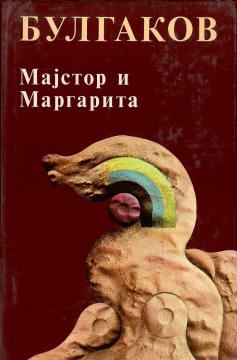
Majstor i Margarita
"Majstor i Margarita" remek-djelo je ruskog pisca Mihaila Bulgakova, jedno od najpoznatijih i najcjenjenijih djela svjetske književnosti. Roman je nastao tridesetih godina 20. stoljeća, ali je objavljen posthumno 1966.–1967. godina.
Roman ima tri glavne narativne linije:
Posjet Wolanda i njegove pratnje Moskvi: Woland, koji je prikazan kao Sotona, stiže u Moskvu sa svitom neobičnih pomagača, uključujući duhovitog i zlog mačka Behemota, Azazela, Hellu i Korovjeva. Njihova pojava izaziva kaos, razotkrivajući pohlepu, licemjerje i moralnu dekadenciju sovjetskog društva.
Ljubavna priča Majstora i Margarite: Majstor je pisac koji je napisao roman o Ponciju Pilatu, ali je zbog pritiska i kritike sovjetskog režima spalio svoje djelo i povukao se iz javnog života. Margarita, njegova ljubavnica, spremna je ući u savez s Wolandom kako bi ga spasila. Njihova ljubav predstavlja vjeru u umjetnost, strast i ljudsku slobodu.
Priča o Ponciju Pilatu i Ješui Ha-Nozriju: Ovo je "roman u romanu", priča o sudbini Ješue Ha-Nozrija (lik temeljen na Isusu Kristu) i njegovom suđenju od strane Poncija Pilata. Ova linija istražuje pitanja savjesti, moći, odgovornosti i istine.
Roman propituje prirodu dobra i zla, pokazujući da granica između njih nije uvijek jasna. Woland, iako Sotona, ne izgleda kao apsolutno zao - njegovi postupci često imaju moralne implikacije. Poncije Pilat simbolizira borbu između osobne savjesti i političke poslušnosti. Roman je satirična kritika birokracije, korupcije, cenzure i moralnog propadanja u sovjetskoj Moskvi. Ljubav Majstora i Margarite pokazuje kako istinski osjećaji i umjetnički izraz mogu nadvladati represiju i progon. Kroz priču o Pilatu i Ješui Bulgakov postavlja pitanje besmrtnosti duše i slobode izbora.
Roman je slojevit, pun simbolike, aluzija na književne i biblijske tekstove. Bulgakov spaja realizam i fantastiku, satiru i filozofsku dubinu, čineći djelo jedinstvenim. “Majstor i Margarita” često se tumači kao metafora umjetničke slobode i otpora represiji. Roman je bio zabranjen za Bulgakovljeva života zbog kritike sovjetskog režima. Nadahnuo je brojne adaptacije, uključujući filmove, kazališne komade, opere i glazbu.
Nema primjeraka u ponudi
Poslednji primjerak je nedavno prodan.