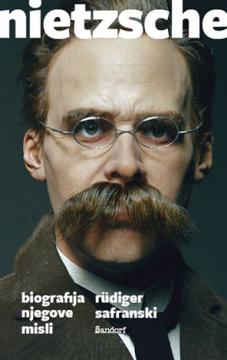
Nietzsche: Biografija njegove misli
Ridiger Safranski, poznat po svojim delima o Šopenhaueru, Hajdegeru i Geteu, predstavlja intimnu „biografiju misli“ Fridriha Ničea. Studija prati evoluciju njegovih ideja kroz ključne događaje, kontradikcije i kreativne krize.
Safranski, nemački filozof i biograf, razotkriva mitove koji okružuju Ničeovo delo – od manipulacije njegove sestre njegovim nasledstvom do nacističkih zloupotreba – i prikazuje Ničea kao „umetnika misli“ koji je živeo svoje ideje, noseći teret „nemerljivog“ poput Atlasa.
Knjiga je podeljena u tri faze razvoja:
- Rana faza: Tragedija i Vagnerov uticaj (1860–1870). Mladi filolog, opsednut Vagnerom i grčkom kulturom, Niče piše „Rođenje tragedije“ (1872), otkrivajući dionizijsko-apolinski dualizam: haos strasti i red forme. Muzika je ključ – Vagnerova opera „mu se neizmerno dopada“, ali raskid 1876. godine označava prekretnicu. Niče, bolestan i usamljen, umetnost vidi kao spas od nihilizma.
- Srednja faza: Kritika morala i večni povratak (1878–1882). U delima „Ljudsko, previše ljudsko“ (1878), „Zora“ (1881) i „Radosna nauka“ (1882) postaje aforističar, kritikujući hrišćanski moral kao „ropski“ i slaveći slobodu duha. „Tako je govorio Zaratustra“ (1883–1885) predstavlja natčoveka (Übermensch) kao tvorca vrednosti i večnog povratka: „Živeti tako da želiš da se život ponavlja zauvek“. Volja za moć postaje centralna ideja: ne tiranija morala nad životom, već afirmacija života kroz prevazilaženje svih vrednosti.
- Završna faza: Kritika kulture i kolaps (1886–1900). U delima „S one strane dobra i zla“ (1886), „Sumrak idola“ (1889) i „Antihrist“ (1888) Niče uništava idole: „Bog je mrtav“, a evropska kultura je dekadentna. Volja za moć (posthumno) sintetiše sve ove ideje, ali Niče je doživeo mentalni slom 1889. godine, provodeći poslednju deceniju svog života u tišini. Safranski naglašava Ničeovu tragičnu prirodu: ekstaza, patos i bolest oblikovali su njegovu misao.
Safranski zaključuje ravnotežom recepcije – od egzistencijalista (Kjerkegorov uticaj) do postmodernista (Fuko) – ističući Ničeovu relevantnost: borbu protiv nihilizma, podsticaj samoprevazilaženju i upozorenje na opasnosti „poslednjeg čoveka“. Knjiga je lucidna, didaktička, napisana sa blagom ironijom, idealna za one koji žele da razumeju zašto je Niče „najčitaniji filozof“: njegova mašta ga čini večnim izazovom.
Nema primeraka u ponudi
Poslednji primerak je nedavno prodat.