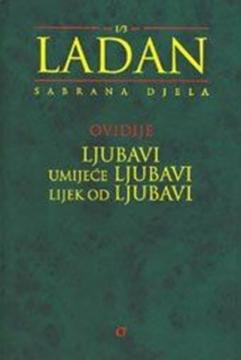
Ljubavi / Umijeće ljubavi / Lijek od ljubavi
Ovidijeve ljubavne elegije: Ljubavi (strastvena afera sa Korinom), Umetnost ljubavi (lekcija o zavođenju i održavanju veze) i Lek ljubavi (saveti kako preboleti ljubav). Ironičan, humorističan i erotski prikaz rimske ljubavi.
Publije Ovidije Nazon (43. p. n. e. – 17 ili 18) jedan je od najvećih rimskih pesnika takozvanog Zlatnog doba. Ova tri dela pripadaju njegovom ranom, romantičnom periodu i predstavljaju najvišu tačku rimske elegijske poezije.
Ljubavi (Amores) – zbirka od tri knjige elegija (prvobitno pet, kasnije skraćene). Pesnik u prvom licu opisuje buran, strastven i često komičan odnos sa lepom Korinom. Delo je puno ironije, samoironije i parodije na tradicionalne ljubavne motive: ljubavnik pati, moli se, ljubi, zavidi, slavi telo svoje voljene, ali sve je prožeto duhovitošću i retoričkom virtuoznošću. Ovde Ovidije uspostavlja svoj prepoznatljiv stil – lagan, elegantan, provokativan.
Umetnost ljubavi (Ars amatoria) – didaktičko delo u tri knjige (oko 2. p. n. e.). Prve dve knjige su upućene muškarcima (kako pronaći devojku u Rimu – pozorište, cirkus, banketi – i kako je zadržati), treća ženama (kako osvojiti i zadržati muškarca). Ovidije se predstavlja kao praeceptor amoris (učitelj ljubavi) koji daje praktične, često cinične i erotske savete. Delo je bogato mitološkim primerima, duhovitim zapažanjima i suptilnom kritikom rimskog društva. Smatra se jednim od najuticajnijih priručnika o ljubavi u istoriji.
Lek za ljubav (Remedia amoris) – svojevrsni nastavak i protivteža Umetnosti ljubavi. Pesnik savetuje kako se osloboditi neželjene strasti: izbegavati podsećanja, baviti se poslom, putovati, ne posećivati mesta sastanaka, razmatrati mane voljene osobe itd. I ovde preovladava ironija – isti autor koji je naučio da voli sada uči kako da se zaustavi.
Sva tri dela karakteriše Ovidijeva briljantna tehnika, lakoća stiha (elegijski distih), hedonizam, realizam u prikazivanju ljubavi (od idealizacije do fizičkog) i suptilno podrivanje Avgustovih moralnih reformi. Zbog Umetnosti ljubavi (i verovatno drugih razloga), Ovidije je prognan u Tomu na Crnom moru 8. godine nove ere, gde je ostao do smrti.
Prevod Tomislava Ladana smatra se klasičnim hrvatskim prevodom. Ladan (1932–2008), iskusan prevodilac, esejista i leksikograf, preneo je Ovidijevu eleganciju, ironiju i ritam na hrvatski jezik sa velikom veštinom. Prevod je prvi put objavljen 1973. godine (Znanje), sa pogovorom Veljka Gortana. U Sabranim delima Tomislava Ladana (2001), pojavljuje se u trećem tomu, zajedno sa tumačem imena i pojmova. Ovo izdanje je cenjeno među ljubiteljima antike i klasične književnosti jer spaja filološku preciznost sa književnom lepotom.
Zajedno, ova tri dela čine svojevrsni „ljubavni triptih“ – od strasti do tehnike do oslobođenja – i ostaju neophodno štivo za razumevanje rimske kulture, erotske književnosti i njenog uticaja na evropsku tradiciju (od renesanse do danas). Ladanov prevod omogućava hrvatskom čitaocu da u potpunosti uživa u Ovidijevoj duhovitosti i virtuoznosti.
Više primeraka je u ponudi