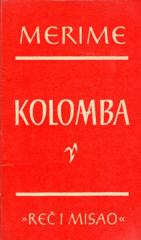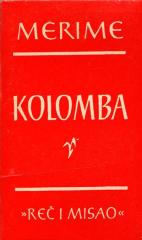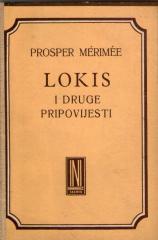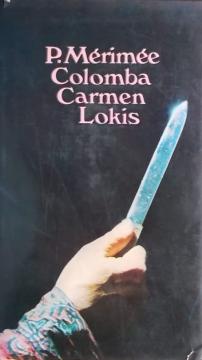
Colomba / Carmen / Lokis
U romanima „Kolomba“, „Karmen“ i „Lokis“, Prosper Merime prikazuje sukob strasti, tradicije i razuma, istražujući osvetu, ljubav, nasilje i tamnu stranu ljudske prirode.
Kolomba, Karmen i Lokis su tri najpoznatije novele francuskog pisca Prospera Merimea, predstavnika realizma i romantizma, poznatog po sažetom stilu, psihološkoj ubedljivosti i interesovanju za egzotične sredine.
Iako se radnje odvijaju u različitim delovima Evrope - na Korzici, u Španiji i Litvaniji - sva tri dela povezuju snažne ljudske strasti, sukob između civilizacijskih vrednosti i drevnih običaja i osećaj neizbežne sudbine.
U Kolombi, autor prikazuje korzikanski običaj krvne osvete kroz priču o sestri koja pokušava da ubedi brata da osveti očevu smrt. Delo suprotstavlja tradicionalni kodeks časti savremenom načinu razmišljanja i postavlja pitanje da li se nasilje može opravdati običajem i porodičnom dužnošću.
U Karmen, centralna tema je destruktivna strast ljubavi. Slobodnodušna i neukroćena Karmen zavodi vojnika Don Hozea, čija opsesivna ljubav postepeno prelazi u ljubomoru, nasilje i tragediju. Roman istražuje sukob između individualne slobode i posesivne ljubavi i pokazuje kako nekontrolisane emocije mogu uništiti ljudski život.
Lokis unosi elemente fantazije i psihološkog trilera. Priča je o litvanskom plemiću Mihailu Šemiotsu, za koga postoji legenda da ga je pre rođenja napao medved, zbog čega se sumnja da ima životinjsku prirodu. Granica između stvarnosti i natprirodnog ostaje nejasna, a autorka istražuje pitanje nasleđa, nagona i ljudske svesti.
U svim Merimeovim delima kombinuje realističan prikaz društva sa napetošću, egzotičnim okruženjem i dubokom psihološkom analizom likova. Njegove junake često pokreće strast, osećaj dužnosti ili unutrašnji porivi, zbog čega tragično završavaju.
Zajednička poruka ovih romana upozorava na razornu moć nekontrolisanih osećanja, moć društvenih običaja i granice ljudske slobode. Zahvaljujući kombinaciji realizma, romantizma i psihološke analize, Kolomba, Karmen i Lokis ostaju trajno vredna dela evropske književnosti.
Dva primerka su u ponudi