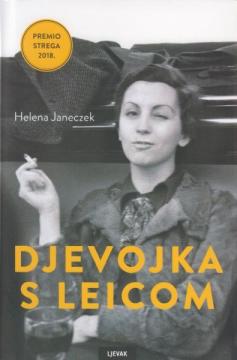
Djevojka s Leicom
Roman je kaleidoskopski, polifoni prikaz života Gerde Taro (rođene Gerda Pohorile, 1910–1937), prve ratne fotografkinje koja je poginula na bojnom polju. Obavezno štivo za ljubitelje istorijske fikcije o jakim ženama i antifašizmu.
Roman počinje 1. avgusta 1937. u Parizu: pogrebna povorka sa crvenim zastavama prati kovčeg Gerde Taro, a Robert Kapa (Andor Fridman), njen partner i ljubavnik, predvodi povorku u dubokoj žalosti.
Janeček ne pripoveda linearno, već kroz glasove nekoliko likova – prijatelja, ljubavnika, kolega, poštovalaca i slučajnih svedoka – koji se sećaju Gerde u različitim vremenima. Glasovi se prepliću u tri glavna dela, stvarajući mozaik fragmenata, sećanja i perspektiva.
Gerda je rođena u jevrejskoj porodici u Štutgartu (Lajpcigu). Kao mlada levičarka i antifašistkinja, 1933. godine je pobegla iz nacističke Nemačke u Pariz. Tamo je upoznala mađarskog fotografa Andora Fridmana (kasnije Roberta Kape) – izmislili su zajednički pseudonim „Robert Kapa“ da bi prodavali fotografije (ona kao „asistentkinja“). Gerda se brzo etablirala: naučila je da fotografiše Leicom, postala je nezavisna reporterka, snimala je demonstracije, izbeglice, Pariski sajam 1937. godine.
Ključni deo je Španski građanski rat (1936–1937): Gerda i Kapa prelaze na stranu republikanaca, snimaju bitke, civile, ranjenike. Njene fotografije postaju ikonične – hrabre, empatične, usmerene na ljude, ne samo na akciju. Gerda je inovatorka: prva žena na frontu sa kamerom, antifašistkinja, zavodnica, hrabra i harizmatična.
Roman se završava njenom smrću 26. jula 1937. godine kod Brunete – poginula je u tenkovskom napadu (ili nesreći) u 27. godini. Mnogi glasovi je oplakuju, ali i razotkrivaju mit: ona nije samo Kapina muza, već nezavisna umetnica i heroina.
Janeček suptilno rekonstruiše Gerdu kroz detalje, anegdote, emocije – ovo je knjiga više o vremenu (1930-te, uspon fašizma, antifašistički otpor, egzil, ljubav) nego linearna biografija. Stil je lirski, fragmentaran, emotivan – roman o sećanju, identitetu, hrabrosti žene u muškom svetu rata i umetnosti.
Jedan primerak je u ponudi