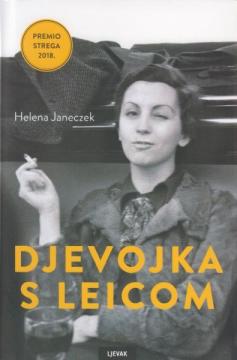
Djevojka s Leicom
Der Roman ist eine vielschichtige, facettenreiche Erzählung über das Leben von Gerda Taro (geb. Gerda Pohorylle, 1910–1937), der ersten weiblichen Kriegsfotografin, die im Kampf fiel. Ein Muss für alle Fans historischer Romane über starke Frauen und Antif
Der Roman beginnt am 1. August 1937 in Paris: Ein Trauerzug mit roten Fahnen folgt dem Sarg von Gerda Taro, angeführt von ihrem Lebensgefährten und Geliebten Robert Capa (Andor Friedmann).
Janeczek erzählt nicht linear, sondern aus der Perspektive verschiedener Figuren – Freunde, Geliebte, Kollegen, Bewunderer und zufällige Zeugen –, die sich zu unterschiedlichen Zeiten an Gerda erinnern. Die Stimmen verweben sich in drei Hauptteilen zu einem Mosaik aus Fragmenten, Erinnerungen und Perspektiven.
Gerda wurde in Stuttgart (Leipzig) in eine jüdische Familie geboren. Als junge Linke und Antifaschistin floh sie 1933 aus Nazideutschland nach Paris. Dort lernte sie den ungarischen Fotografen Andor Friedmann (später Robert Capa) kennen. Gemeinsam legten sie sich das Pseudonym „Robert Capa“ zu, um ihre Fotografien zu verkaufen (sie als „Assistentin“). Gerda etablierte sich schnell: Sie lernte mit einer Leica zu fotografieren, wurde freie Reporterin und filmte Demonstrationen, Flüchtlinge und die Pariser Weltausstellung 1937.
Der Schlüssel zum Roman liegt im Spanischen Bürgerkrieg (1936–1937): Gerda und Capa begeben sich auf die republikanische Seite und filmen die Kämpfe, Zivilisten und Verwundete. Ihre Fotografien werden ikonisch – mutig, einfühlsam, den Menschen in den Mittelpunkt stellend, nicht nur die Action. Gerda ist eine Pionierin: die erste Frau an der Front mit einer Kamera, Antifaschistin, Verführerin, mutig und charismatisch.
Der Roman endet mit ihrem Tod am 26. Juli 1937 bei Bruneta – sie wurde im Alter von 27 Jahren bei einem Panzerangriff (oder Unfall) getötet. Viele Stimmen trauern um sie, entlarven aber auch den Mythos: Sie ist nicht nur Capas Muse, sondern eine eigenständige Künstlerin und Heldin.
Janeczek zeichnet Gerdas Leben subtil anhand von Details, Anekdoten und Emotionen nach – dieses Buch ist weniger eine lineare Biografie als vielmehr eine Auseinandersetzung mit der Zeit (den 1930er Jahren, dem Aufstieg des Faschismus, dem antifaschistischen Widerstand, dem Exil und der Liebe). Der Stil ist lyrisch, fragmentarisch und emotional – ein Roman über Erinnerung, Identität und den Mut einer Frau in einer von Männern dominierten Welt aus Krieg und Kunst.
Angeboten wird ein Exemplar