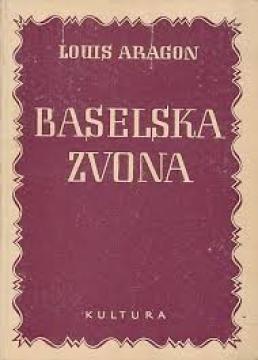
Baselska zvona
Roman prati tri žene: Dajanu, plemkinju; Katarinu Simonidze, feministkinju; i pravu Klaru Cetkin, komunistkinju. Kroz njihove sudbine prikazuju se kriza buržoaskog društva, emancipacija žena i put ka komunizmu.
Baselska zvona je prvi roman u ciklusu Le Monde réel (Stvarni svet) Luja Aragona, objavljenom 1934. (revidiranom 1964.), u kojem Aragon prelazi iz nadrealizma u socijalistički realizam i marksističku kritiku društva. Naslov aludira na Bazelska zvona – simboliku uzbune za buđenje radničke klase i kraj buržoaskog sveta, i na Međunarodni kongres žena u Bazelu 1912. godine.
Roman je podeljen na tri glavna dela, a svaki se fokusira na jednu ženu:
- Dajana – aristokratkinja iz propale plemićke porodice, koja živi od „bogatih verenika“ i koristi seksualnost kao moć. Njen sin Gaj cinično i satirično posmatra svet odraslih – prvi deo je komedija manira, kritika buržoaske dekadencije i licemerja.
- Katarin Simonidze – mlada Gruzijka, ćerka naftnog magnata iz Bakua, koja živi u Parizu od očeve evidencije. Ona počinje kao anarhistkinja, uključuje se u radničke pokrete (štrajk taksija), zaljubljuje se u Viktora (štrajkača), ali shvata ograničenja individualne pobune. Njen put vodi od anarhizma do socijalizma.
- Klara Cetkin – stvarna istorijska ličnost, nemačka socijalistička militantkinja i feministkinja (osnivačica Međunarodnog dana žena). Ona predstavlja ideal revolucionarke – posvećene klasnoj borbi, emancipaciji žena i internacionalizmu.
Kroz sudbine ovih žena, Aragon analizira predratnu Evropu (početak 20. veka): buržoasko propadanje, krizu patrijarhata, ugnjetavanje žena, klasne sukobe i put ka revoluciji. Roman počinje satirično i cinično (kao kritika buržoazije), a završava se lirski i idealistički – u komunističkoj nadi. To je „tezni roman“ koji pokazuje kako žene, različitih klasa i ideologija, dolaze do spoznaje da je istinska emancipacija moguća samo u socijalističkoj borbi.
Stil je realističan sa elementima lirizma i ironije - Aragon koristi dokumentarne motive (štrajkovi, kongresi), ali i psihološku dubinu likova. Delo je važno za Aragonovo preobraćenje u komunizam (postao je član PCF-a 1927. godine) i uticalo je na francusku levičarsku književnost 30-ih godina.
Jedan primerak je u ponudi
- Oštećena leđa