Émile Zola

Émile Zola

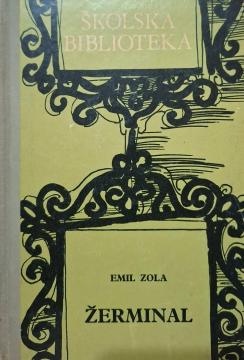
Žerminal

In his best work, Germinal, Émile Zola realistically, in minute detail, described the inhuman living and working conditions of miners in northern France in the 1860s.

Germinal is a novel published in 1885, one of the most important in Zola's "Rougon-Macquart" cycle. The main character, Étienne Lantier, a young worker who lost his job due to his impetuous nature, comes to the mining settlement of Montsou and gets a job at the Voreux mine. There, he witnesses the brutal working conditions, injustice, and misery that plagues the mining families. Étienne becomes increasingly politically aware, embraces socialist ideas, and organizes a strike in an effort to get workers better conditions and wages. The strike, initially full of hope, soon develops into a struggle for bare survival. The government and mining employers brutally suppress the rebellion, and the strikers and their families suffer hunger and death. The mine becomes a symbol of the relentless force that grinds the workers down. Despite the defeat, the novel ends with symbolic hope: Germinal – a month in the French revolutionary calendar that marks the awakening of nature – suggests that, like spring, workers' resistance will once again flourish. In "Germinal," Zola masterfully combines a naturalistic depiction of misery with strong emotion and social engagement. The work remains one of the most powerful depictions of social injustice in literature.

Prevod
Dušan Matić
Urednik
Muris Idrizović
Naslovnica
Mladen Kolobarić
Dimenzije
17 x 12 cm
Broj strana
541
Izdavač
Svjetlost, Sarajevo, 1967.
 
Latinica. Tvrde korice.
Jezik: Srpski.

Jedan primerak je u ponudi

Stanje:Korišćeno, u vrlo dobrom stanju
Dodato u korpu!
 

Zanima Vas i neka druga knjiga? Možete pretražiti našu ponudu pomoću pretrage ili prelistati knjige po kategorijama.

Možda će Vas zanimati i ovi naslovi

Čovek naopako

Čovek naopako

Philippe Curval

The French writer Philippe Kirval is a well-known representative of the modern direction of science fiction in his country. The author of twelve novels, Kirval relatively early discovered the assumption of the existence of countless "parallel universes" a

Jugoslavija, 1978.
Srpski. Latinica. Broširano.
2,98
Čovek od gipsa

Čovek od gipsa

Joseph Kessel

The novel, whose original title is L'Homme de plâtre, explores complex human destinies through the story of a protagonist whose life symbolically reflects fragility and vulnerability, like plaster.

Minerva, 1987.
Srpski. Latinica. Tvrde korice.
4,64
Neoprezni putnik

Neoprezni putnik

René Barjavel

It could be said that René Barjavel gave new momentum to science fiction and thereby gained the reputation of a modern classic, a recognized predecessor of modern generations of French writers who continue a highly valued tradition.

Jugoslavija, 1979.
Srpski. Latinica. Broširano.
3,98 - 4,76
Bartolomejska noć: knjiga 1-2

Bartolomejska noć: knjiga 1-2

Alexandre Dumas

This book focuses on one of the bloodiest events in French history – St. Bartholomew's Day in 1572, when thousands of French Protestants were massacred in Paris and across the country.

Epoha, 1966.
Hrvatski. Latinica. Tvrde korice s omotom.
Knjiga se sastoji od dva toma
9,36
Četrdeset pet vitezova, sv. 1-2

Četrdeset pet vitezova, sv. 1-2

Alexandre Dumas

Alexandre Dumas – The Forty-Five Knights, published in 1966, is part of a grand trilogy about the political and religious turmoil in France during the late 16th century.

Epoha, 1966.
Hrvatski. Latinica. Tvrde korice s omotom.
Knjiga se sastoji od dva toma
9,48
Svilena klopka

Svilena klopka

Françoise Sagan

In The Silk Trap, Françoise Sagan depicts a love trap woven from passion, irony, and self-deception. Adrian, a cynical writer, is caught between success, boredom, and an elusive woman who changes his perspective on life.

Mladost, 1990.
Hrvatski. Latinica. Tvrde korice s omotom.
4,98 - 7,36