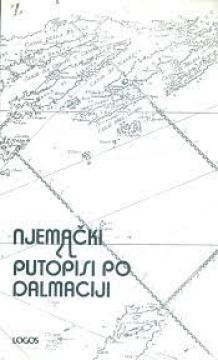
Njemački putopisi po Dalmaciji
„Njemački putopisi po Dalmaciji“, urednika Ivana Pederina, zbirka je putopisa njemačkih autora koji su u različitim istorijskim periodima proputovali Dalmaciju i zabilježili svoja zapažanja o ovom prostoru.
Knjiga pruža vredan istorijski uvid u Dalmaciju, njen krajolik, običaje, ljude i svakodnevni život kakav vide nemački putnici. Ova zbirka pokriva širok vremenski raspon i nudi različite perspektive na Dalmaciju kao regiju koja je kroz istoriju bila mjesto susreta kultura, trgovine i geopolitike.
Glavne teme knjige:
Geografski i kulturni opisi Dalmacije Nemački putnici su često bili fascinirani prirodnim lepotama Dalmacije, uključujući njene planine, obalu, ostrva i gradove poput Splita, Zadra i Dubrovnika. Putopisi daju detaljne opise pejzaža, mediteranske klime i plodnih polja, ali i izazova koje priroda postavlja pred ljude koji tamo žive. Dalmacija je predstavljena kao egzotična, ali i surova zemlja, često izložena prirodnim katastrofama, ali i bogate istorije i kulture.
Društveni i kulturni život Pederinova zbirka putopisa nudi uvid u društveni i kulturni život Dalmatinaca, očima stranih posmatrača. Putnici su beležili običaje, način odevanja, ishranu i svakodnevni život lokalnog stanovništva, sa posebnim osvrtom na njihove društvene i verske običaje. U nekim putopisima Dalmatinci su prikazani kao ponosni i gostoljubivi ljudi, dok drugi autori pišu o teškoćama sa kojima se suočavaju zbog ekonomske zaostalosti i političkih previranja.
Politički i istorijski kontekst Knjiga sadrži i analize političke situacije u Dalmaciji u vreme kada su nemački putnici pisali svoja zapažanja. Ovaj region, koji je u različitim periodima bio pod mletačkom, austrijskom i osmanskom vlašću, predstavlja se kao mesto sukoba različitih političkih interesa i uticaja. Putopisi opisuju i uticaj ovih vlasti na svakodnevni život, trgovinu, infrastrukturu i vojno prisustvo u Dalmaciji.
Susreti sa lokalnim stanovništvom Jedan od zanimljivih aspekata putopisa je susret putnika sa lokalnim stanovništvom. Nemački autori često pišu o interakcijama sa Dalmatincima, opisuju njihovu komunikaciju, gostoprimstvo, ali i jezičke i kulturne barijere na koje su putnici nailazili. Ponekad su ovi susreti puni pozitivnih utisaka, dok u drugim slučajevima autori prikazuju stereotipe o Balkanu, posmatrajući lokalno stanovništvo sa dozom egzotike ili nerazumevanja.
Uticaji Mediterana i Balkana Putopisi pokazuju da se Dalmacija nalazi na raskršću između Mediterana i Balkana i kako je ova mešavina kultura uticala na njen karakter. Nemački putnici često komentarišu ovu kulturnu fuziju, ističući elemente zapadnoevropske i osmanske kulture, što se ogleda u arhitekturi, trgovini i načinu života Dalmatinaca. Dalmacija je predstavljena kao jedinstven prostor u kojem se sukobljavaju različiti civilizacijski uticaji.
Turistička perspektiva i fascinacija Knjiga pokazuje i kako su nemački putnici često dolazili u Dalmaciju iz radoznalosti ili avanture, želeći da upoznaju „nepoznatu“ zemlju. Opisi prirodnih lepota, istorijskih spomenika (posebno rimskog i srednjovekovnog nasleđa) i lokalnih običaja često se zasnivaju na fascinaciji i divljenju neistraženim predelima.
Iz sadržaja:
Putopisi renesanse i baroka Balthasar Hacquet i njegov ideološki okvir Značajke Vlaja H. F. Rodlich i njegov program posuvremenja Dalmacije i njezine privrede Dalmacija i njezini gospodarski problemi Prirodoslovac Ernst Friedrich Germar i njegove pustolovine po Dalmaciji Dalmacija u previranju Josef Marx von Liechtenstern i njegov pojam Dalmacije kao odskočne daske za austrijska osvajanja na Levantu Car Franjo I. nalazi Dioklecijanovoj palači politički simbol Franjo I. o Splitu i Trogiru u svom dnevniku Franz Petter i njegova slika učmalosti u Dalmaciji Dalmacija kao zaboravljena pokrajina u putopisima Franza Pettera Romantička historizacija slike Dalmacije kod Heinricha Stieglitza Slika Dalmacije prema književnim i kulturnim kriterijima Politizacija kulturne stvarnosti Dalmacije u Kohlovu putopisu Aktualizacija dalmatinske povijesti i kulture Slika društvenih prilika u putopisu Ide von Duringsfeld Društvo i čudaci u Dalmaciji u djelu Ide von Duringsfeld Korigiranje političke slike Dalmacije poslije bitke pod Visom u naturalizmu bliskom putopisu Heinricha Noe Slika bijede, zaostalosti i praznovjernosti u Dalmaciji Schiffova slika Dalmacije lišena političke, gospodarske i društvene ozbiljnosti Barun Alexander von Warsberg otkriva u Dalmaciji nove kulturne vrijednosti i daje humani sadržaj čaroliji povijesti u Warsbergovoj Dalmaciji Dalmacija i moderno slikarstvo u Baumbergerovu putopisu Dalmacija i secesija u putopisu Geroga Baumbergera Hermann Bahr i Dalmacija Dalmacija gotovo kao manifest austrijske moderne u djelu Hermanna Bahra Kronološka bibliografija njemačkih i austrijskih putopisa
Nema primeraka u ponudi
Poslednji primerak je nedavno prodat.