Upanišade

Upanišade

The Upanishads are Hindu scriptures that are considered part of the Vedas. The term vedānta ("the end of the Vedas") is used for them. They are a part of the sciences that try to explain the content philosophically.

The Upanishads are ancient Sanskrit texts that contain some of the central philosophical concepts and ideas of Hinduism, some of which are shared with religious traditions such as Buddhism and Jainism.

The oldest Upanishads come from the pre-Buddhist era, and the younger ones from the Christian era. The Upanishads are between 700 and 500 BC. n. e. composed by forest ascetics as the final parts of the Vedas. They are also known as srutis, i.e. texts "for listening" and almost all of their teachings are in dialogue form. The meaning of the word upanishad is "sitting down beside" the guru who is imparting his teachings. More than a hundred compilations of these dialogues have been written, although only thirteen of them have been accepted as smritis, or holy scriptures. The Upanishads discuss the relationship between the individual and the universe, the nature of the universal soul, the meaning of life and the nature of life after death.

The Upanishads are the first texts revered among Indians that denote the idea that one immutable self passes from one body to another, depending on actions. Thus good actions bring good fruits and bad actions result in future reincarnation.

Prijevod
Vojislav Despotov
Naslovnica
Dobrilo M. Nikolić
Dimenzije
18 x 10,5 cm
Broj strana
133
Nakladnik
Književna zajednica Novog Sada, Novi Sad, 1988.
 
Latinica. Broširano.
Jezik: Srpski.

Nema primjeraka u ponudi

Poslednji primjerak je nedavno prodan.

 

Zanima Vas i neka druga knjiga? Možete pretražiti našu ponudu pomoću tražilice ili prelistati knjige po kategorijama.

Možda će Vas zanimati i ovi naslovi

Arktička pradomovina Veda

Arktička pradomovina Veda

Bal Gandahar Tilak

The book The Arctic Homeland of the Vedas (1903) by the Indian scholar Tilak proposed the hypothesis that the ancient Aryans, the authors of the Rigveda, originated in the Arctic region. Although controversial, the book remains important in the study of V

NIRO Književne novine, 1987.
Srpski. Latinica. Broširano.
17,56 €
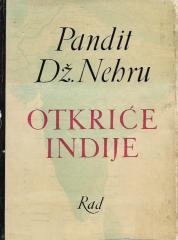
Otkriće Indije

Otkriće Indije

Jawaharlal Nehru

The Discovery of India, written in 1946 during Nehru's time in prison, is a monumental work that explores the history, culture, and spirit of India. Nehru, a key figure in the Indian independence movement, writes about the past and with a vision for the n

Rad, 1952.
Srpski. Latinica. Tvrde korice s ovitkom.
9,46 €
Žena koja je slikala kanom

Žena koja je slikala kanom

Alka Joshi

„Žena koja je slikala kanom“ je debitantski roman indijsko-američke autorke Alke Džoši, prvi deo Džajpurske trilogije. Roman je hvaljen zbog autentičnog prikaza radžastanske kulture i univerzalne teme ženske emancipacije.

Mozaik knjiga, 2021.
Hrvatski. Latinica. Broširano.
13,22 €
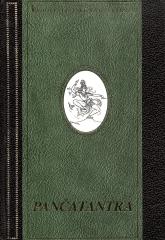
Pančatantra

Pančatantra

Pančatantra je zamišljena kao svojevrsni priručnik za vladare, u kome je narodna mudrost spojena sa filozofijom, psihologijom i politikom, a sve je to predstavljeno jednostavnim i elegantnim stilom vrhunske literature.

LOM, 2008.
Srpski. Ćirilica. Broširano.
9,76 €
Pančatantra: u najstarijoj sačuvanoj recenziji Tantrakhjajika

Pančatantra: u najstarijoj sačuvanoj recenziji Tantrakhjajika

The Panchatantra is an ancient Indian collection of instructive tales and fables concerning wisdom, friendship, politics, and human nature. The oldest surviving recension, the Tantrakhyayika, presents five interconnected sections of life lessons.

Naprijed, 1999.
Hrvatski. Latinica. Tvrde korice.
22,76 €