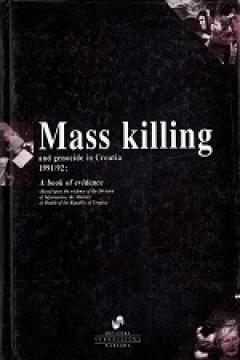
Mass killing and genocide in Croatia 1991/92
One copy is available

One copy is available
Are you interested in another book? You can search the offer using our search engine or browse books by category.
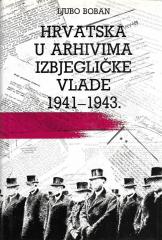
Academician Ljubo Boban, in his work Croatia in the Archives of the Government in Exile 1941–1943, brings together a collection of diplomatic reports from various European and international representative offices of the Yugoslav government in exile during
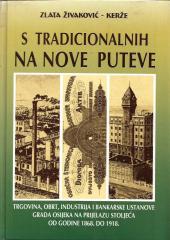
The book explores the economic development of Osijek after the Croatian-Hungarian Settlement until the end of World War I. Osijek, as an important center of Slavonia, experienced a significant economic boom thanks to its location on the Drava River and th
The collection includes essays, studies, and critical texts dedicated to historical topics, and represents a valuable source for understanding Krleža's view of history as a dynamic process that shapes the identity and destiny of people.
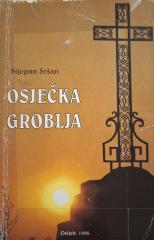
The book is deeply rooted in the local history and culture of Osijek, with an emphasis on cemetery motifs that serve as a metaphor for memory, death, and disappearance.
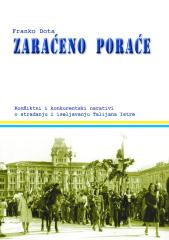
The book analyzes how conflicting historical narratives about the suffering and mass emigration of Italians from Istria and Rijeka developed in Croatia and Italy after World War II (1943–1956), debunking myths and encouraging an empathetic approach to the