Pearl S. Buck
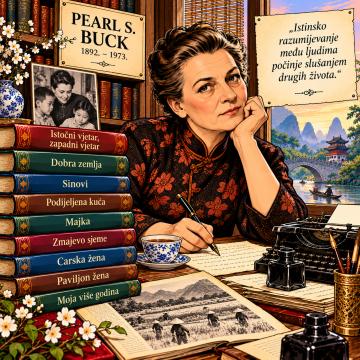
Pearl S. Buck (born Pearl Sydenstricker Buck), an American writer, novelist, and humanitarian, was born on June 26, 1892, in Hillsboro, West Virginia, and died on March 6, 1973, in Danby, Vermont. She was the recipient of the 1932 Pulitzer Prize and the 1938 Nobel Prize in Literature, becoming the first American woman to be awarded that literary honor.
She grew up in China, where her parents served as missionaries. From childhood, she was familiar with the Chinese language, customs, and culture, all of which strongly shaped her literary body of work. She studied in the United States and subsequently returned to China, where she lived and taught for many years.
She began her literary career with the novel East Wind: West Wind (1930), in which she explores the encounter between Eastern and Western cultures, family relationships, and the status of women.
She achieved worldwide fame with the novel The Good Earth (1931), a poignant story about the Chinese farmer Wang Lung and his family. The novel depicts the hard life of peasants, the connection between humanity and the land, poverty, and social change, and it earned the author the Pulitzer Prize. The work is the first part of the House of Earth trilogy, continued by the novels Sons (1932) and A House Divided (1935). Her notable works include The Mother (1934), Fighting Angel (1936), Dragon Seed (1942), Imperial Woman (1956), and Pavilion of Women (1946). In her autobiographical books My Several Worlds and A Bridge for Passing, she describes her personal experiences and life between two cultures.
In addition to her literary work, Buck advocated for women's rights, racial equality, international understanding, and child welfare. She founded organizations that assisted children of mixed heritage and children lacking adequate parental care.
Her style is characterized by simplicity of expression, deep emotion, realistic descriptions, and a profound understanding of human destinies. Pearl S. Buck left an enduring mark on world literature by introducing Western readers to Chinese culture, family life, and the universal values of humanity, compassion, and dignity.
Titel im Angebot
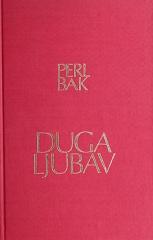
Sabrana dela 4: Duga ljubav
Edward "Ned" Haslatt predano voli suprugu Margaret, no njihov brak je tihi boj između njegove idealizirane odanosti i njezina oštra, prisebnog pragmatizma — potraga za ljubavi koja sazrijeva, a ne izgara.
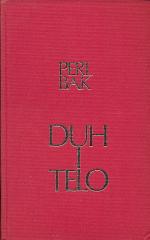
Sabrana dela 5: Duh i telo (Izgnanstvo / Ratoborni anđeo)
In two memorial portraits, Buck writes about his mother Caroline, a lonely and imaginative exile, and his father Absalom, a stern missionary-warrior—two contrasting souls in the shadow of China.
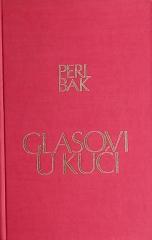
Sabrana dela 6: Glasovi u kući
In the patrician Asher family, longtime servants and their daughter Jessica live in the shadow of their master; when the girl gets out of control, the stability of the house collapses.
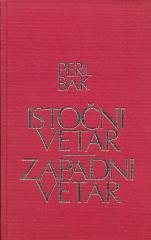
Sabrana dela 7: Istočni vetar – zapadni vetar
"East Wind, West Wind" (1930) is one of Pearl S. Buck's early novels. In an arranged marriage to a Western-educated husband, young Kwei-lan slowly abandons tradition and discovers love in the clash of two cultures.
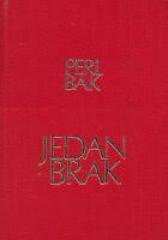
Sabrana dela 8: Jedan brak
Krajem 19. stoljeća bogati mladi slikar William zaljubljuje se u nepismenu seljačku kćer Ruth; unatoč okolini koja ih pokušava razdvojiti, vjenčaju se i provode zajedno gotovo cijeli vijek.
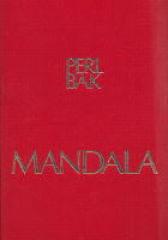
Sabrana dela 9: Mandala
Mandala je jedan od najzrelijih i najduhovnijih romana Pearl S. Buck, rijetko djelo smješteno u Indiju. Naslov Mandala (simbol cjelovitosti) savršeno odražava srž priče: potragu za smislom, cjelovitošću i pomirenjem suprotnosti.
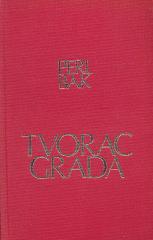
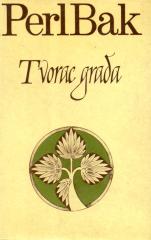
Sabrna dela 18: Tvorac grada
The Maker of the City (1945) was the first novel published by Pearl S. Buck under the pseudonym John Sedges, to try her hand at a story about the American West without the expectations attached to her Chinese works.
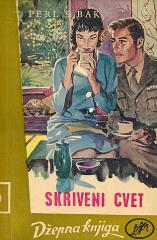
Skriveni cvet
Japanska studentica Josui Sakai i američki poručnik Allen Kennedy zaljubljuju se u poslijeratnom Kyotu. Vjenčaju se u budističkom hramu, ali rasizam i obiteljske prepreke u Americi dovode do tragedije.
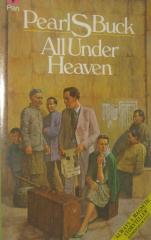
Under All Heaven
Pearl S. Buck combines her beloved China and native America in a sensitive drama of human relationships and conflicting emotions in a world of changing attitudes.