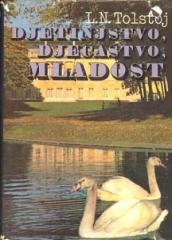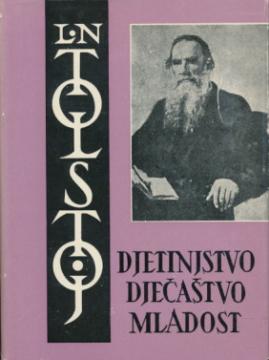
Izabrana djela 11: Djetinjstvo / Dječaštvo / Mladost

Leo Nikolajewitsch Tolstoi verfolgt in seiner autobiografischen Trilogie „Kindheit“ (1852), „Junge“ (1854) und „Jugend“ (1857) das Aufwachsen von Nikolai Irtenjew, einem jungen Adligen, dessen Erfahrungen Tolstois eigene Jugend widerspiegeln.
In Kindheit erlebt der zehnjährige Nikolai die Welt mit kindlichen Augen, verzaubert von der Schönheit seines Landguts und der Geborgenheit seiner Familie. Der Tod seiner Mutter bringt ihm seinen ersten großen Schmerz und lässt ihn die Vergänglichkeit des Lebens erkennen. Seine Beziehungen zu seinem Lehrer Karl Iwanowitsch und seinen Freunden offenbaren ihm erste Lektionen über Liebe, Verlust und soziale Unterschiede. In Junge steht Nikolai vor der Pubertät, dem Umzug nach Moskau und neuen Herausforderungen. Er fühlt sich unsicher, sinniert über Religion und gesellschaftliche Normen und kämpft mit inneren Konflikten und seinen ersten romantischen Gefühlen. Jugend begleitet Nikolai an der Universität, wo er Enttäuschungen in seiner Ausbildung, gesellschaftliche Ambitionen und moralische Dilemmata erlebt. Er versucht, seinen Platz in der Welt zu finden und ringt mit Idealismus und der Eitelkeit des aristokratischen Lebens. Durch Selbstreflexion erkennt Nikolai die Bedeutung von Authentizität und legt damit den Grundstein für seine zukünftigen spirituellen Suchen.
Die Trilogie markiert Tolstois literarisches Debüt und etablierte ihn sofort als großen Schriftsteller. Inspiriert von seinem eigenen Leben, führten die Werke seinen realistischen Stil und seine psychologische Tiefe ein, die später in Krieg und Frieden und Anna Karenina ihren Höhepunkt erreichen sollten. Die Fokussierung auf innere Konflikte, moralische Fragen und Gesellschaftskritik nahm die Themen vorweg, die seine späteren Werke prägen würden. Anders als spätere moralisierende Werke wie Auferstehung ist die Trilogie intim und frei von Belehrung; sie bietet eine universelle Geschichte des Erwachsenwerdens. Diese Werke demonstrieren Tolstois Fähigkeit, die Feinheiten menschlicher Emotionen einzufangen und legten den Grundstein für seinen Status als Meister des psychologischen Realismus.
Die Trilogie wurde in Russland mit Begeisterung aufgenommen; Tolstois Frische und Sensibilität wurden gelobt. Kritiker schätzten die realistischen Beschreibungen und die emotionale Tiefe, obwohl einige später der Ansicht waren, die Werke verblassten im Vergleich zu seinen epischen Romanen. Heute gilt die Trilogie als Klassiker, der für seinen Einblick in Tolstois frühe Entwicklung und die Universalität des Themas des Erwachsenwerdens geschätzt wird.
Angeboten wird ein Exemplar
- Beschädigte Abdeckung