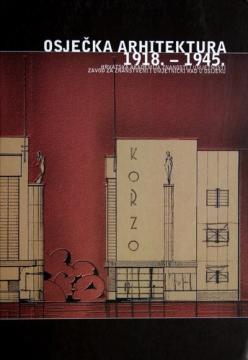
Osječka arhitektura 1918. - 1945.
Dieses Buch ist das Ergebnis der Zusammenarbeit von Wissenschaftlern und Fachleuten aus den Bereichen Architektur, Stadtplanung und Kunstgeschichte am Projekt der systematischen Analyse und Präsentation der Architektur von Osijek zwischen den beiden Weltk
„Die moderne Architektur zwischen den beiden Weltkriegen ging aus dem Jugendstil hervor und lehnte ihn ab.“ Wladimir Bedenko
Ziel des Projekts ist ein umfassendes Register moderner Architektur und Bauwesen im Gebiet der Stadt Osijek. Das Werk von Sanja Lončar Vicković: Die Industriearchitektur von Osijek in der Zeit von 1918 bis 1945 ist als Teil der modernen europäischen Architektur von Bedeutung. In diesem Zusammenhang weist die Unterkunft grundlegende Gemeinsamkeiten auf: die Verwendung von tragenden Strukturen aus Beton, Stahlbeton und Stahl sowie einen funktionalistischen und minimalistischen Ansatz bei der Gestaltung der Fassade. Vorläufer der Moderne in Osijek waren die OLT-Gebäude aus dem Jahr 1912, in denen erstmals Beton und Eisen als Hauptmaterialien verwendet wurden. Die bedeutendsten Industriebauten der Zwischenkriegszeit sind Munjara und Remiza am Südufer der Drau gegenüber der Festung. Zur Zeit ihrer Erbauung stellten sie ein beeindruckendes architektonisches und technologisches Unterfangen dar, das die Postulate der Moderne verkörperte – die Einheit von Konstruktion und Design, die Lesbarkeit des inneren Skeletts in einfachen, monumentalen Fassaden mit großen Glasscheiben. Der aktuelle Zustand der Industriegebiete und Fabriken aus der Zeit zwischen den beiden Weltkriegen ist äußerst schlecht. Die meisten Gebäude innerhalb der ehemaligen Fabrikkreise – OLT, Kožara, Šibicara – sind verlassen, verwüstet oder aktiv zerstört. In den Fabriken, die noch in Betrieb sind und die Originalanlagen nutzen – Remiza, Saponia, HEP – haben technologische Veränderungen, Kriegsschäden, Restaurierung und Sanierung zu einem Rückgang des authentischen architektonischen Wertes geführt. Die ausgedehnte Industrie, die zur Entstehung großer Industriekomplexe führte, existiert nicht mehr und wird es auch nie geben. Die Gebäude verfallen, doch die Fabrikkomplexe befinden sich in den besten Lagen der Stadt und werden für Investoren immer attraktiver. Im Text wird vorgeschlagen, das Technische Museum im Bereich des ehemaligen Munjara zu eröffnen und unterzubringen, in dem sich heute die Ersatzanlage des städtischen Heizwerks befindet.
Im Angebot sind keine Exemplare vorhanden
Das letzte Exemplar wurde kürzlich verkauft.