Osječka arhitektura 1918. - 1945.

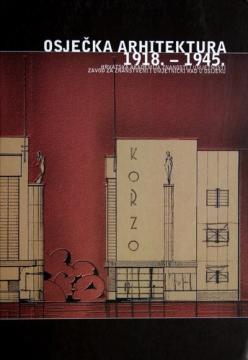
Osječka arhitektura 1918. - 1945.

Julijo Martinčić

This book is the result of the collaboration of scientific and professional workers from the fields of architecture, urban planning and art history on the project of systematic analysis and presentation of the architecture of Osijek between the two world

"Modern architecture between the two world wars grew out of Art Nouveau and rejected it." Vladimir Bedenko

The goal of the project is a comprehensive register of modern architecture and construction in the area of ​​the city of Osijek. The work of Sanja Lončar Vicković: Industrial architecture of Osijek in the period from 1918 to 1945 is significant as part of modern European architecture. In this context, the accommodation has basic common features: the use of load-bearing structures made of concrete, reinforced concrete and steel, and a functionalist and minimalist approach to the design of the facade. The predecessors of modernity in Osijek were the OLT buildings from 1912, in which concrete and iron were used for the first time as primary materials. The most significant industrial buildings of the interwar period are Munjara and Remiza on the southern bank of the Drava opposite the Fortress. At the time of construction, they represented an impressive architectural and technological endeavor that embodied the postulates of modernity - the unity of construction and design, the readability of the internal skeleton in simple, monumental facades with large glass panels. The current state of industrial zones and factories from the period between the two world wars is extremely bad. Most of the buildings within the former factory circles - OLT, Kožara, Šibicara - are abandoned, devastated or actively destroyed. In the factories that still work and use the original plants - Remiza, Saponia, HEP - changes in technology, war damage, restoration and rehabilitation have led to a decrease in authentic architectural value. Extensive industry, which led to the creation of large industrial complexes, no longer exists and will never exist. The buildings are falling into disrepair, but the factory complexes are located in the best locations in the city and are becoming more and more attractive to investors. In the text, it is proposed to open and place the Technical Museum in the area of ​​the former Munjara, which today houses the spare plant of the city's heating plant.

Prevod
Dubravka Papa
Naslovnica
Igor Balen
Dimenzije
33 x 24 cm
Broj strana
296
Izdavač
Hrvatska akademija znanosti i umjetnosti (HAZU), Zagreb, 2006.
 
Latinica. Tvrde korice.
Jezik: Hrvatski.

Nema primeraka u ponudi

Poslednji primerak je nedavno prodat.

 

Zanima Vas i neka druga knjiga? Možete pretražiti našu ponudu pomoću pretrage ili prelistati knjige po kategorijama.

Možda će Vas zanimati i ovi naslovi

Josip Juraj Strossmayer - veliki župan virovitičke županije

Josip Juraj Strossmayer - veliki župan virovitičke županije

Julijo Martinčić
Jugoslavenska akademija znanosti i umjetnosti, 2006.
Hrvatski. Latinica. Broširano.
1,28
Učiteljska škola u Osijeku: ravnatelji, profesori i maturanti (1893.-1965.)

Učiteljska škola u Osijeku: ravnatelji, profesori i maturanti (1893.-1965.)

Ljuba Radman, Nada Lagumdžija, Irena Vodopija, Dubravka Smajić, Margita Pavleković, Željko Popovi...
Hrvatska akademija znanosti i umjetnosti (HAZU), 2004.
Hrvatski. Latinica. Tvrde korice.
13,24
Eufrazijeva bazilika

Eufrazijeva bazilika

Sergije Jelenić, Gianluca Benedetti
Porečka i Pulska biskupija, 2013.
Hrvatski. Latinica. Broširano.
5,98
Stari Zagreb

Stari Zagreb

Gjuro Szabo

Klasično djelo hrvatske historiografije, objavljeno 1941. godine, koje pruža fascinantan pregled povijesnog razvoja Zagreba, od njegovih najranijih spomena do Szabina vremena, te je nezamjenjiv izvor za sve koji žele bolje razumjeti povijest Zagreba.

Spektar, 1971.
Hrvatski. Latinica. Tvrde korice.
11,32
Velike arhitekture svijeta

Velike arhitekture svijeta

John Julius Norwich

Knjiga obuhvaća: Izvaneuropske arhitekture, Stari svijet, Renesansa, Arhitektura novog doba, Geografski leksikon i Tumač stručnih izraza.

Marjan tisak, 2005.
Hrvatski. Latinica. Broširano.
5,62
Skulptura i arhitektonska ornamentika Hrvatske i Dalmacije od IX do XV stoljeća

Skulptura i arhitektonska ornamentika Hrvatske i Dalmacije od IX do XV stoljeća

Jazu, 1966.
Hrvatski. Latinica. Broširano.
4,12