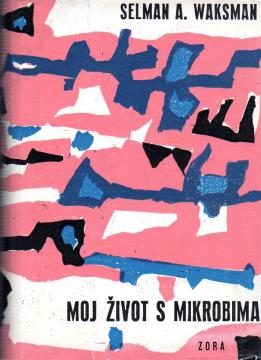
Moj život s mikrobima
In seiner Autobiografie „Mein Leben mit Mikroben“ erzählt Nobelpreisträger Selman A. Waksman die Geschichte seines Lebens, das er dem Studium von Bodenmikroben, der Entdeckung von Streptomycin und der Entwicklung von Antibiotika widmete.
Mein Leben mit Mikroben (1954) ist die Autobiografie von Selman Abraham Waksman (1888–1973), einem amerikanischen Mikrobiologen ukrainischer Herkunft und Nobelpreisträger für Physiologie oder Medizin (1952).
Das Buch ist in einem lebendigen und leicht verständlichen Stil geschrieben und schildert Waksmans Leben von seiner Kindheit in einer jüdischen Familie in Priluka bei Kiew über seine Emigration in die Vereinigten Staaten im Jahr 1910 bis zum Höhepunkt seiner wissenschaftlichen Karriere an der Rutgers University. Waksman beschreibt detailliert, wie er sich für die Bodenmikrobiologie, insbesondere für Aktinomyzeten, begeisterte und wie er jahrzehntelang systematisch Bodenmikroorganismen erforschte.
Der Hauptteil des Buches ist der Entdeckung von Streptomycin im Jahr 1943 gewidmet (in Zusammenarbeit mit Studenten, insbesondere Albert Schatz), dem ersten wirksamen Antibiotikum gegen Tuberkulose und andere schwere Krankheiten. Waksman erläutert die wissenschaftliche Methode der Untersuchung Tausender Bodenproben, den Kampf gegen Krankheiten, die ethischen Dilemmata und den enormen Einfluss von Antibiotika auf die Medizin des 20. Jahrhunderts. Er prägte außerdem den Begriff „Antibiotikum“.
Die Autobiografie porträtiert Waksman als leidenschaftlichen Wissenschaftler, engagierten Lehrer und Forscher, der sein ganzes Leben der Erforschung von Mikroorganismen gewidmet hat. Das Buch enthält zudem persönliche Erinnerungen, Begegnungen mit anderen Wissenschaftlern und Reflexionen über Wissenschaft, Glück und soziale Verantwortung.
Angeboten wird ein Exemplar
- Bibliotheksstempel