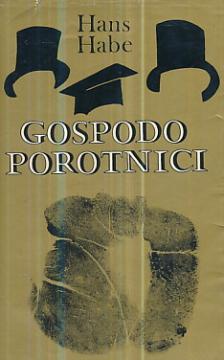
Gospodo porotnici: Deset velikih sudskih slučajeva iz historije zločina
„Die Herren der Jury“ von Hans Habe stellt zehn berühmte Gerichtsverfahren des 20. Jahrhunderts vor und schildert den Verlauf der Ermittlungen, Prozesse und Motive für Verbrechen sowie das Verhältnis zwischen Justiz, Politik und öffentlicher Meinung.
Die Herren Geschworenen: Zehn große Gerichtsverfahren aus der Geschichte des Verbrechens von Hans Habe ist ein Sachbuch, in dem der Autor zehn reale Strafprozesse analysiert, die das 20. Jahrhundert prägten. Das Buch schildert die Verbrechen chronologisch – vom Tathergang über die polizeilichen Ermittlungen und die Beweisaufnahme bis hin zum Gerichtsverfahren und dem Urteil. Besonderes Augenmerk liegt auf den Motiven der Täter, der Arbeit der Ermittler, der Rolle der Anwälte und Staatsanwälte sowie dem Einfluss der Medien und der Öffentlichkeit auf den Prozessverlauf.
Hans Habe, ein österreichisch-ungarischer Journalist und Schriftsteller jüdischer Herkunft, diente nach seiner Flucht vor dem Nationalsozialismus in der US-Armee und beteiligte sich nach dem Zweiten Weltkrieg als einer der Redakteure der Neuen Zeitung am Wiederaufbau der demokratischen Presse in Deutschland. In seinen Werken warnte er wiederholt vor den Verbrechen der Nationalsozialisten, der Gefahr des Totalitarismus und der Notwendigkeit, sich mit der Vergangenheit auseinanderzusetzen.
Dank Habes langjähriger journalistischer Erfahrung wird jeder Fall wie ein investigativer Bericht präsentiert, der juristische Fakten mit sozialen und politischen Umständen verknüpft. Das Buch bietet nicht nur einen Überblick über bekannte Verbrechen, sondern analysiert auch die Funktionsweise der Justiz, die menschliche Psychologie und die individuelle Verantwortung. Die zentrale Botschaft des Werkes lautet: Die Wahrheit kann nur durch unparteiische Ermittlungen, kritisches Denken und die Achtung der Gerechtigkeit erreicht werden, ungeachtet politischen oder sozialen Drucks.
Weitere Exemplare sind verfügbar
Kopiennummer 2
Kopiennummer 3
- Spuren von Patina
- Leichte Beschädigung der Abdeckung