Eskim na feniksu ti je ukrao mobitel
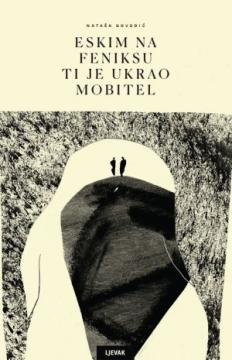
„Ein Eskimo na Fenix hat dein Handy gestohlen“ ist der zweite Roman von Nataša Govedić und bietet eine intime Geschichte zweier Protagonisten und eine Widmung an das persönliche Bild von Zagreb.
Erinnern Sie sich an die winzige, aber sehr ernste innere Stimme, die immer wieder zu Ihrem persönlichsten Vergnügen zurückkehrte – aus Angst, Sie würden es für immer vergraben, versenken, verlieren, verbrennen oder einfach als nutzlosen Überschuss an einer Tankstelle zurücklassen? Da ist er wieder. Er springt über den Zaun und betritt den Hinterhof, wo Kreda und Izak neben der Hecke auf dem Boden sitzen. Protagonisten. Dabei sollten Liebesromane und intime Romane nicht verwechselt werden. Das hier ist intim. Deshalb braucht er wirklich neunzig Dimensionen unserer Existenz und Eskimos und Phönixe nicht weniger.
Eros ist kein Sklave von Konventionen.
Gleichzeitig handelt es sich um einen Roman über die Stadt Zagreb, der jedoch aus der Perspektive des Gehens, Tretens und körperlichen Fortbewegens durch die Straßen zwischen Sljemen und der Hendrix-Brücke erzählt wird. Die Abneigung, die Kreda gegenüber der Philosophischen Fakultät empfindet, ist zugleich ein Widerstand gegen das bürokratische Konzept des Lernens, Studierens und später nutzlosen Arbeitens. Niemand möchte irgendetwas in diesem Text und seiner Welt verzögern. Im Gegenteil. Weder in der Liebe noch in der Malerei noch in der Literatur gibt es eine bessere Wahl als ... „traves“. Der Roman bringt eine Sonderausgabe des Fanzine Noćna straža mit sich, in der zwanzig um den Protagonisten versammelte Künstler ihre visuellen Werke zum Thema Zeit ausstellen, nicht die von neun bis fünf (das Unternehmen) und auch nicht die von null bis zwanzig. vier (der Supermarkt). Diese Kunstergänzung zum „Kunstroman“ richtet sich insbesondere an Leser, die sich eine kleine Balkon- oder Gartenzeit bauen möchten, sowie an Leser, die es nicht nötig haben, im Raum ihrer Fantasie Mauern zwischen Bild und Text zu errichten . Zeitbilder erscheinen in der heutigen „Zeit der Bilder“ auch als Beweis dafür, dass weder Zeit noch Bilder verschwendet wurden.
Angeboten wird ein Exemplar