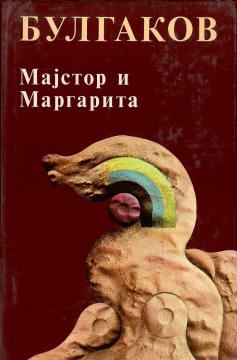
Majstor i Margarita
„Der Meister und Margarita“ ist das Meisterwerk des russischen Schriftstellers Michail Bulgakow, eines der berühmtesten und geschätztesten Werke der Weltliteratur. Der Roman wurde in den dreißiger Jahren des 20. Jahrhunderts geschrieben, aber 1966–1967 po
Der Roman hat drei Haupterzählstränge:
Besuch von Woland und seinem Gefolge in Moskau: Woland, der als Satan dargestellt wird, kommt mit einem Gefolge ungewöhnlicher Helfer nach Moskau, darunter die witzige und böse Katze Behemoth, Azazel, Hella und Korovyev. Ihr Erscheinen verursacht Chaos und enthüllt die Gier, Heuchelei und den moralischen Verfall der sowjetischen Gesellschaft.
Die Liebesgeschichte des Meisters und Margarita: Der Meister ist ein Schriftsteller, der einen Roman über Pontius Pilatus schrieb, aber aufgrund des Drucks und der Kritik des Sowjetregimes sein Werk verbrannte und sich aus dem öffentlichen Leben zurückzog. Margarita, seine Geliebte, ist bereit, ein Bündnis mit Woland einzugehen, um ihn zu retten. Ihre Liebe repräsentiert den Glauben an Kunst, Leidenschaft und menschliche Freiheit.
Die Geschichte von Pontius Pilatus und Yeshua Ha-Nozri: Dies ist ein „Roman im Roman“, die Geschichte des Schicksals von Yeshua Ha-Nozri (einer Figur, die auf Jesus Christus basiert) und seinem Prozess gegen Pontius Pilatus. In dieser Zeile geht es um Fragen des Gewissens, der Macht, der Verantwortung und der Wahrheit.
Der Roman hinterfragt die Natur von Gut und Böse und zeigt, dass die Grenze zwischen ihnen nicht immer klar ist. Obwohl Woland Satan ist, scheint er nicht absolut böse zu sein – seine Handlungen haben oft moralische Implikationen. Pontius Pilatus symbolisiert den Kampf zwischen persönlichem Gewissen und politischem Gehorsam. Der Roman ist eine satirische Kritik an Bürokratie, Korruption, Zensur und moralischem Verfall im sowjetischen Moskau. Die Liebe des Meisters und Margarita zeigt, wie wahre Gefühle und künstlerischer Ausdruck Unterdrückung und Verfolgung überwinden können. Anhand der Geschichte von Pilatus und Jeschua wirft Bulgakow die Frage nach der Unsterblichkeit der Seele und der Wahlfreiheit auf.
Der Roman ist vielschichtig, voller Symbolik und Anspielungen auf literarische und biblische Texte. Bulgakow vereint Realismus und Fantasie, Satire und philosophische Tiefe und macht das Werk einzigartig. „Der Meister und Margarita“ wird oft als Metapher für künstlerische Freiheit und Widerstand gegen Repression interpretiert. Der Roman wurde zu Bulgakows Lebzeiten wegen seiner Kritik am Sowjetregime verboten. Es hat zahlreiche Adaptionen inspiriert, darunter Filme, Theaterstücke, Opern und Musik.
Im Angebot sind keine Exemplare vorhanden
Das letzte Exemplar wurde kürzlich verkauft.