Ernest d'Hervilly
Ernest d’Hervilly (Ernest Marie d’Hervilly; Pariz, 26. svibnja 1839. – Champigny-sur-Marne, 18. studenoga 1911.), francuski pjesnik, novinar, dramatičar i pisac za mladež. Istaknuti predstavnik parnasovaca, poznat po humorističko-satiričnim djelima te pionirskim avanturističkim i predpovijesnim pričama za djecu.
Radio je kao crtač i nadglednik na pariškim građevinskim radovima, a od 1861. piše za Le Figaro i brojne republikanske listove (La Lune, L’Éclipse, Le Rappel). Pod Drugim Carstvom često je koristio pseudonime jer su mu listovi zabranjivani. Pridružio se parnasovcima i sudjelovao u Parnasse contemporain. Prijateljevao je s Victorom Hugom, a prikazan je na slici Un coin de table (1872.) uz Verlainea i Rimbauda.
Glavna djela (izbor): Poezija: La Lanterne en vers de couleurs (1868.), Les Baisers (1872.), Le Harem (1874.). Proza: Contes pour les grandes personnes (1874.), Aventures d’un petit garçon préhistorique en France (1888.) – njegovo najpoznatije djelo za mladež, En bouteille à travers l’Atlantique (1894.). Kazalište: više komedija i jednočinki (Le Malade réel, Le Docteur sans pareil i dr.).
Nagrađivan više puta od Francuske akademije, vitez Legije časti (1902.). Napisao je oko 120 djela za mladež, mnoge humorističke skice pariškog života te fantastične i znanstveno-fantastične priče. Njegov stil spaja parnasovsku formu s lakoćom, humorom i satirom. Danas je djelomično zaboravljen, ali ostaje važan svjedok pariškog književnog života druge polovice 19. stoljeća i pionir žanra dječje avanturističke proze.
Titles in our offer
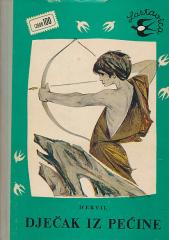
Dječak iz pećine
The novel follows a boy from prehistoric times growing up in a harsh world defined by the struggle for survival. Through hunting, facing dangers, and encountering the natural world, he learns to survive and discovers the value of courage, knowledge, and c
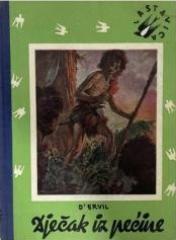
Dječak iz pećine
Dečak Krek drži vatru u svojoj pećini, ali je nepažljivo gasi. Prognan iz svog plemena, prolazi kroz niz opasnih avantura u praistorijskoj Francuskoj, sazreva i dokazuje svoju vrednost.