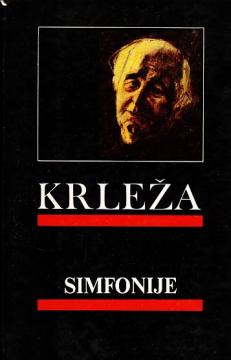
Simfonije

Die Symphonien (1933) sind ein Zyklus von sechs großen Gedichten von Krleža. Frühe, vitalistische, pantheistische Gedichte, die von üppigem Rhythmus, sinnlichen Bildern und einer ekstatischen Erfahrung von Natur und Leben geprägt sind.
Miroslav Krležas Symphonien zählen zu den kraftvollsten und prägnantesten Zyklen der frühen kroatischen Moderne. Es handelt sich um sechs längere poetische Texte, die Krleža 1933 unter diesem Titel veröffentlichte, obwohl einige bereits 1914 entstanden und die ersten 1917 in der Sammlung Drei Symphonien erschienen. Der Zyklus besteht aus: Pan, Podneva symphonija, Suton, Nocturne, Sodomski bakanale und Ulica u jesenje jutro.
Stilistisch sind die Symphonien ekstatische, oratorische Gedichte, erfüllt von vitalistischer Ekstase, einem pantheistischen Naturverständnis und kosmischen Rhythmen. Krleža bedient sich hier einer üppigen, fast barocken Tonsprache, reich an Assoziationen, Metaphern und Klangeffekten – der Rhythmus ist kraftvoll, die Syntax oft gebrochen, und die Bilder reichen von idyllischen Naturmotiven bis hin zu erotischen, dionysischen und grotesken Visionen. Der Einfluss von Walt Whitman und Emil Verhaeren ist in der Weite des Ausdrucks, den Aufzählungen und dem Gefühl der Verschmelzung des Individuums mit dem Universum deutlich erkennbar.
Pan wird vom mythologischen Motiv des Naturgottes dominiert, der die Welt in einer herbstlichen, sinnlichen Atmosphäre betrachtet. Die Mittagssinfonie feiert die Fülle des Lebens und die Kraft der Sonne. Sonnenuntergang und Nachtturne bringen melancholischere, introspektive Töne der Dämmerung und der Nacht. Sodomski bacchanal schlägt eine Richtung orgiastischer, dämonischer und zerstörerischer Ekstase ein, während Ulica u jesenje jutro eine urbanere, alltägliche Szene von derselben Intensität schildert.
Obwohl es sich hierbei um Frühwerke des jungen Krleža handelt, zeigen sie bereits seine außergewöhnliche Sprachgewalt und seine Neigung zu grandiosen, symphonischen Formen, die er später in Prosa und Drama weiterentwickeln sollte. Kritiker sehen sie oft als Höhepunkt seiner frühen Lyrik – bevor er sich einem schärferen sozialen Engagement und Ironie zuwandte (z. B. in den Balladen der Petrica Kerempuh).
Heute werden die Symphonien als herausragendes Beispiel kroatischen expressionistischen Vitalismus geschätzt: Texte, die nicht nach klassischer lyrischer Intimität streben, sondern nach orchestraler Kraft, in der Worte in Musik, Farbe und Bewegung verwandelt werden. Symphonien sind Krležas frühestes Meisterwerk in der Dichtung – ein monumentaler, etwas prätentiöser, aber genial ausgeführter Versuch, die Fülle der Existenz durch Sprache zu vermitteln.
Im Angebot sind keine Exemplare vorhanden
Das letzte Exemplar wurde kürzlich verkauft.