Miroslav Krleža
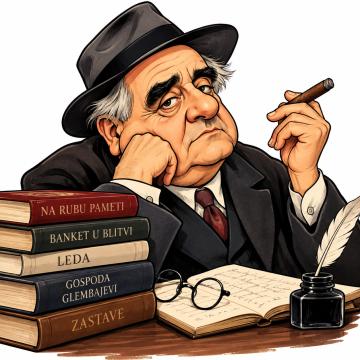
Miroslav Krleža (7. Juli 1893 – 29. Dezember 1981) war einer der bedeutendsten kroatischen Schriftsteller des 20. Jahrhunderts – ein Dichter, Romanautor, Dramatiker, Essayist und Enzyklopädist. Er wurde in Zagreb geboren und besuchte die österreichisch-ungarische Militärakademie, widmete sich jedoch schnell der Literatur und intellektuellen Aktivitäten. Er war ein scharfer Kritiker sozialer Ungerechtigkeit, Kleinbürgertums und politischen Opportunismus, die einen Großteil seiner Literatur kennzeichneten.
Sein Werk umfasst ein breites Spektrum an Genres. Bemerkenswert sind der Romanzyklus über die Glembays (Die Glembays, In Agonie, Leda) und der epische Roman Die Rückkehr von Filip Latinovicz (1932). Er schrieb auch Essays, Tagebücher, Kritiken, enzyklopädische Artikel und Gedichte, beispielsweise die aus der Sammlung Pan.
Krležas Stil zeichnet sich durch einen reichen Wortschatz, komplexe Sätze, intellektuelle Tiefe und ironische Distanz aus. Er war eine Schlüsselfigur der kroatischen Kultur und einer der Gründer des Lexikografischen Instituts (heute Lexikografisches Institut Miroslav Krleža). Trotz politischem Druck blieb er seiner intellektuellen Autonomie treu.
Krležas Erbe ist aus dem kroatischen Kanon nicht wegzudenken und unverzichtbar für das Verständnis der Moderne und des historischen Schicksals Kroatiens und Mitteleuropas.
Titles in our offer
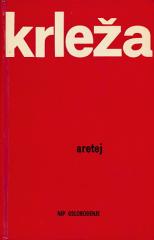
Aretej
Kasna drama Miroslava Krleže kroz paralelne sudbine antičkog i modernog liječnika raščlanjuje motiv intelektualca u procjepu između političke represije, ratnih strahota i vlastite savjesti.
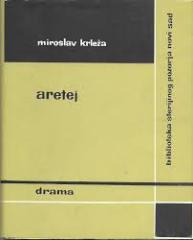
Aretej: drama
Krležas Drama mit einem ausführlichen Nachwort von Branko Hećimović, biobibliografischen Beiträgen von Slavko Batušić und Fotos von Szenen aus „Areteja“, aufgeführt vom Nationaltheater Belgrad.
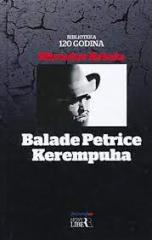
Balade Petrice Kerempuha
Miroslav Krležas größtes poetisches Werk und eines der bedeutendsten Werke der kroatischen Literatur. Die Balladen vereinen Satire, Ironie und lyrisch-folkloristische Elemente zu einer Anklage gegen die Gewalt und Dummheit der Regierungen im Laufe der Jah
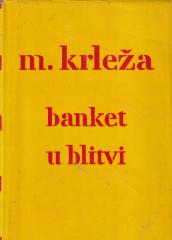
Banket u blitvi: Roman u tri knjige
Radnja je smeštena u Blitvi, fiktivnoj zemlji na severoistoku Evrope, koja je posle vekova tuđinske vladavine i političke nestabilnosti postala nezavisna država pod diktatorskom vlašću okrutnog poručnika Barutanskog.
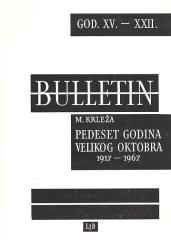
Bulletin - Pedeset godina Velikog oktobra 1917. - 1967.
U “Pedeset godina Velikog oktobra 1917.–1967.” Miroslav Krleža piše o Oktobarskoj revoluciji iz perspektive pisca koji joj je idejno blizak, ali koji se nikada nije suglasio s njezinim pretvaranjem u sustav rigidnih istina.

Članci i polemike 1: Ratne teme
Eine Sammlung von Krležas journalistischen Texten, Kommentaren und Analysen, die während und unmittelbar nach dem Ersten Weltkrieg entstanden sind und für das Verständnis seiner intellektuellen Entwicklung sowie seiner späteren Werke von Bedeutung sind.
Članci i polemike 2: Sa uredničkog stola
The collection Articles and Polemics 2: From the Editorial Desk includes essays, criticisms, and polemical texts written during Krleža's engagement as editor of various literary magazines, such as Književna republika and Pečate.
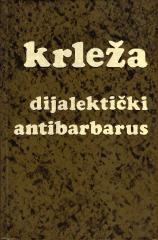
Dijalektički antibarbarus
Krležin najpoznatiji polemički tekst, u kome oštro napada dogmatski vulgarni marksizam i lošu tendencioznu književnost unutar levice, braneći umetničku slobodu i intelektualnu autonomiju. Vrhunac sukoba na književnoj levici.
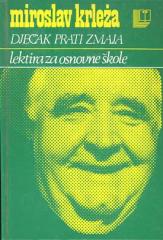
Dječak prati zmaja
“Dječak prati zmaja” je knjiga koja nas vodi na fantastično putovanje i potiče nas da razmišljamo o životu i svijetu na drugačiji način.
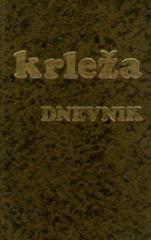
Dnevnik 1: Dnevnik 1914 - 17 (Davni dani I)
Das Tagebuch aus den Jahren 1914–17 dokumentiert Krležas Schriften aus der Zeit des Ersten Weltkriegs: persönliche Dilemmata, Pazifismus, Konflikte mit dem Militarismus der Monarchie und intellektuelle Reifung in den Jahren des Zusammenbruchs der alten We