Nježni rat
One copy is available

One copy is available
Are you interested in another book? You can search the offer using our search engine or browse books by category.
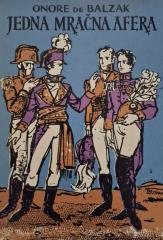
In his novels Eugenie Grandet (1833) and The Museum of Antiquities (1837), Balzac explores universal themes of greed, human passions, sacrifice, and moral dilemmas, placing them in different social contexts of 19th-century French society.
"Eugénie Grandet" (1833), part of Balzac's Human Comedy, is a realistic novel that explores greed, family relationships, and the sacrifices of love in provincial French society.
The novel, whose original title is L'Homme de plâtre, explores complex human destinies through the story of a protagonist whose life symbolically reflects fragility and vulnerability, like plaster.
The plot is set in Lisbon, along the Tagus River, and follows an emotional and complex love story intertwined with dramatic elements.