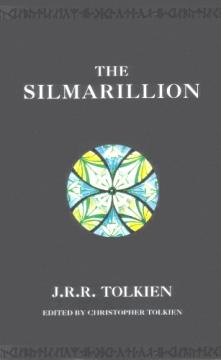
The Silmarillion
The Silmarillion (1977), a posthumously published work by J.R.R. Tolkien, edited by his son Christopher. This epic book is a mythological history of the world of Arda, from the creation of the universe to the end of the First Age, serving as the basis for
The book is divided into five parts, each with a different focus and narrative style, resembling ancient myths and sagas.
The Ainulindalë tells the story of the creation of the world through the music of Ilúvatar, the supreme deity, and the Ainur, the divine spirits. Their harmonious song is disrupted by the dissonances of Melkor, the future Morgoth, who brings the seeds of evil.
The Valaquenta describes the Valar (higher deities) and Maiar (lower spirits), including Melkor, Manwë, Varda, and Sauron, setting the cosmic context.
The Quenta Silmarillion, the largest part, follows the fate of the Silmarils, gems containing the light of Valinor, crafted by the Elves of Fëanor. Melkor's theft of the Silmarils provokes a rebellion of the Noldor, their departure from the immortal Valinor to Middle-earth, and the centuries-long wars against Morgoth in Beleriand. Key stories include the love of Beren and Lúthien, which transcends mortality, and the tragic fate of Túrin Turambar, cursed by Morgoth's vengeance. The Elven clans, such as the Noldor and Sindar, face internal conflicts and external threats.
Akallabêth describes the rise and fall of Númenor, the island given to Men. Sauron's manipulation and human greed lead to the destruction of this kingdom.
Of the Rings of Power connects events with The Lord of the Rings, describing the creation of the Rings of Power and the rise of Sauron.
A map of the realms of the Noldor and Sindar is found opposite page 149. A map of Beleriand and the lands to the north extends across the final pages. Includes part of a letter from Tolkien to Milton Waldman in 1951.
No copies available
The last copy was sold recently.