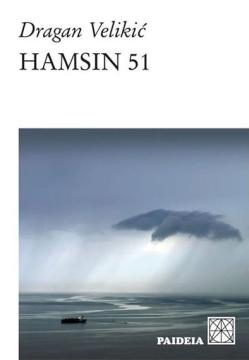
Hamsin 51
Roman „Hamsin 51“ (1993) jedan je od ranih vrhunaca Dragana Velikića – spektakularna porodična saga i antiratno delo napisano usred raspada Jugoslavije, sa završetkom koji će se dogoditi tri decenije kasnije – 2022. godine.
Naslov aludira na hamsin (topli, pustinjski vetar sa juga), simbol haosa i promena. Radnja se proteže kroz vreme: počinje 1972. godine kada pesnik Nikola Gavrić pronalazi rukopis svog oca Žarka Gavrića, studenta prava koji traga za tragovima Dositeja Obradovića i Njegoša u Italiji. Ova potraga otvara slojeve porodične istorije, identiteta i intelektualnog lutanja.
Glavni deo je smešten u rane 1990-te: Beograd je ponovo posleratni grad, pun sivih ruševina, korova koji raste kroz pukotine (npr. turska kupatila, kula Nebojša). Roman prati intelektualnu emigraciju izazvanu raspadom SFRJ – raseljene živote, izgnanstvo, gubitak doma i nacionalno ludilo. Velikić smelo projektuje kraj u 2022. godinu – futuristički pogled na rasute sudbine nakon tri decenije tranzicije, rata i smirivanja.
Neukroćeni duh pripovedanja povezuje različite istorijske trenutke, sećanja, iščekivanja i pesmu glavnog junaka u čvrstu celinu. Psihološki puls prati filigranski izvajana rečenica – mešavina stvarnog i izmišljenog, generisana neraskidivom stvarnošću rata.
One copy is available