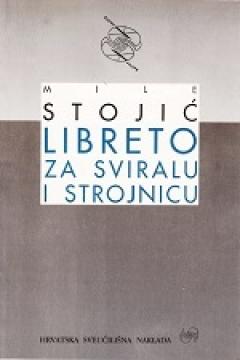
Libreto za sviralu i strojnicu
Libreto za sviralu i strojnicu Mile Stojića lirska je zbirka koja spaja nježnost i ratnu stvarnost. Pjesnik uspoređuje glazbu i oružje, ljubav i razaranje, stvarajući snažnu poeziju o preživljavanju duha u vremenu nasilja.
Zbirka pjesama Libreto za sviralu i strojnicu bosanskohercegovačkog pjesnika Mile Stojića objavljena je početkom devedesetih godina i pripada njegovom najzrelijem i najpoznatijem poetskom razdoblju. Već sam naslov spaja dvije suprotnosti — sviralu, simbol ljepote, umjetnosti i duha, te strojnicu, oružje, simbol rata i uništenja. Upravo ta napetost između poezije i nasilja čini srž zbirke.
U pjesmama Stojić tematizira iskustvo rata, progonstva, gubitka i nostalgije za rodnim hercegovačkim prostorom, ali i moć riječi kao oblika otpora. Stihovi su često elegični, ispovjedni, ali i angažirani, dok se pjesnikovo „ja“ kreće između tuge i prkosa, svjetlosti djetinjstva i tame suvremenog svijeta. Kroz kontrast lirskog i tragičnog tona, Stojić istražuje kako se pjesma može roditi i opstati usred razaranja.
Njegov jezik je melodičan, a slike snažne i vizualne; u njima se isprepliću biblijski i mitološki motivi, osobna sjećanja i kolektivna trauma. Kritičari su isticali da Stojić ovim djelom potvrđuje glas pjesnika koji zna spojiti moralni stav s estetskom osjetljivošću.
Libreto za sviralu i strojnicu jedno je od onih djela koja čitatelja podsjećaju da poezija, čak i u najtežim okolnostima, može biti i svjedočanstvo i oblik otpora — svirala koja se ne da ušutkati ni pred strojnicom.
One copy is available