Antique
Rare book
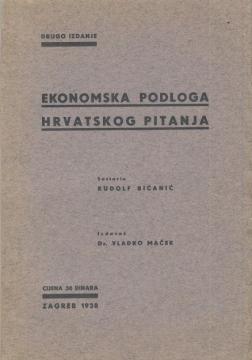
Ekonomska podloga hrvatskog pitanja
Editor
Vladko Maček
Dimensions
24 x 16 cm
Pages
224
Publisher
Dr. Vladko Maček, Zagreb, 1938.
Latin alphabet. Paperback.
Language: Croatian.
No copies available
The last copy was sold recently.
No copies available
The last copy was sold recently.
Are you interested in another book? You can search the offer using our search engine or browse books by category.

Knjiga Josipa Mihaljevića analizira odnos vlasti i pojedinca u komunističkoj Hrvatskoj (1958.–1972.), kroz represivne mehanizme, ideološke pritiske i ograničenja osobne slobode u socijalističkom sustavu.
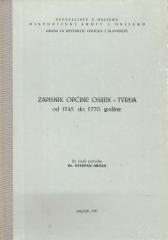
Nakon prvog sveska knjige "Najstariji zapisnik općine Osijek - Tvrđa od 1705. do 1746." ovo je drugi svezak knjige, koji obrađuje razdoblje od 1745. do 1770. godine.

Knjiga se bavi generalom Antom Gotovinom, odnosno optužnicom koja je dignuta protiv njega na Haškom sudu, kao i političkom klimom u Hrvatskoj u vrijeme podizanja optužnice i Gotovinina bijega pred hrvatskim pravosuđem.

1000 najljepših misli i ocjena o životu i radu Josipa Broza - Tita

Sadržaj knjige stvaran je i proživljavan u porobljenoj domovini, u diktaturi i Titovim zatvorima.