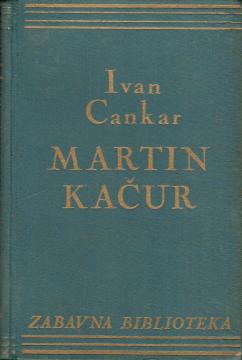
Martin Kačur
Roman prikazuje tragičnu sudbinu idealističkog učitelja Martina Kačura koji se bori protiv provincijske zaostalosti, korupcije, nacionalne ravnodušnosti i vlastite nemoći u malom slovenskom gradiću.
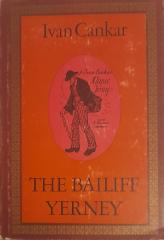
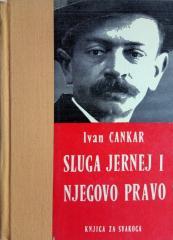
Ivan Cankar (1876.–1918.), najveći slovenski pisac moderne, objavio je roman Martin Kačur 1906. godine. Hrvatsko izdanje iz 1934. u prijevodu Ive Kozarčanina jedno je od najpoznatijih prijevoda ovog djela.
Roman prati život Martina Kačura, mladog, poštenog i zanesenog učitelja koji dolazi u malo provincijsko mjesto. Pun ideala, željan prosvjećivanja naroda i društvenog napretka, Kačur se sukobljava sa svijetom malograđanske uskogrudnosti, političke korupcije, klerikalizma i nacionalne apatije. Njegova borba završava potpunim porazom: gubi posao, obiteljsku sreću i na kraju i posljednje iluzije.
Cankar kroz lik Martina Kačura daje univerzalnu sliku idealista koji propada u sukobu s realnošću. Roman je izrazito pesimističan, satiričan i kritički. Autor oštro napada slovensko (i šire južnoslavensko) malograđanstvo, lažni patriotizam i društvenu licemjernost. Stil je tipičan za Cankara – precizan, ironičan, s jakim lirskim i simboličkim elementima.
Martin Kačur smatra se jednim od najboljih Cankarovih romana i remek-djelom slovenske realizma i moderne. U hrvatskoj književnoj publici 1930-ih bio je vrlo čitan i cijenjen kao snažna socijalno-kritička proza. Djelo je i danas aktualno jer tematizira vječni sukob pojedinca i društva, idealizma i pragmatizma te cijenu koju plaća onaj koji se ne želi prilagoditi trulom sustavu.
Ovo izdanje iz 1934. važno je jer pripada razdoblju kada je Cankarova djela u Hrvatskoj popularizirala lijeva i napredna inteligencija.
One copy is available