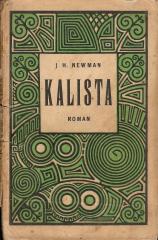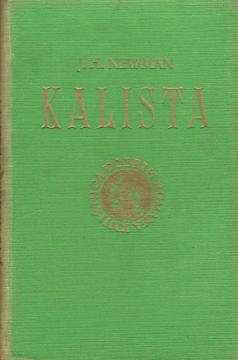
Kalista
Kalista (1855.) je povijesni roman, smješten u 3. stoljeće u Sjevernu Afriku, koji prati mladu Grkinju Kalistu, talentiranu kiparicu poganskih kipova, koja se tijekom progona kršćana pod carem Decijem suočava s istinom kršćanstva.
John Henry Newman (1801.–1890.), engleski teolog, pisac i kasniji kardinal, napisao je roman Kalista 1855. godine, nekoliko godina nakon svog prelaska na katoličanstvo. Djelo je povijesni roman smješten u sjevernoafričku rimsku provinciju (današnji Tunis) u vrijeme progona kršćana pod carem Decijem (oko 250. godine).
Glavna junakinja je Kalista, mlada, lijepa i darovita Grkinja koja zajedno s bratom Aristom radi u radionici izrađujući kipove poganskih bogova. Unatoč vanjskom uspjehu, ona je duboko nezadovoljna i prazna. U njezin život ulazi mladi kršćanin Agelije, koji se zaljubi u nju, ali je rastrgan između vjere i obiteljskih veza. Ključnu ulogu igra i sveti Ciprijan, biskup Kartage (prikazan pod imenom Cecilije), koji postaje duhovni vođa.
Roman je prije svega priča o obraćenju. Newman kroz Kalistinu potragu za istinom prikazuje sukob poganskog i kršćanskog svijeta, dekadenciju rimskog društva i duboku privlačnost kršćanske vjere. Djelo je bogato povijesnim detaljima, opisima života u rimskoj provinciji, poganskih obreda, progona i svakodnevice kršćanske zajednice.
Stil je klasičan, uzvišen i pomalo didaktičan, što je tipično za Newmana. Roman nije samo pustolovina, već duboka apologija kršćanstva – prikazuje kako vjera daje smisao tamo gdje ga poganska kultura ne može pružiti.
Newman je rekao da je knjiga „jednostavna fikcija od početka do kraja“, ali je očito utemeljena na njegovom dubokom poznavanju povijesti ranog kršćanstva. Danas se cijeni kao značajno djelo viktorijanske književnosti i važan primjer Newmanova književnog talenta.
One copy is available