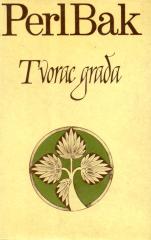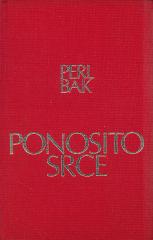
Eine Liebesehe / Das Gelöbnis
"One Marriage" is a more intimate, psychological portrait of marriage, while "The Promise" is an epic war novel. Both works reflect an author who lived in China and had a deep understanding of the conflicts between East and West.
Pearl S. Buck, winner of the Nobel Prize for Literature, demonstrates her masterful ability to portray human relationships in historical and cultural context in these novels.
Eine Liebesehe (Portrait of a Marriage, 1945) is an intimate family saga. At the turn of the 19th century, a wealthy young painter from Philadelphia, William, falls in love with an illiterate peasant woman, Ruth. Despite their vast class, educational, and character differences, they marry.
The novel follows their marriage through the decades—the birth of children, two world wars, and aging. Buck subtly depicts how opposites attract and enrich: Ruth brings earthy strength and practicality, William artistic sensitivity. Gradually, they change, learn from each other, and form a deep, if imperfect, bond.
Das Gelöbnis (The Promise, 1943) is a war novel and sequel to the popular Dragon Seed. The story takes place in Burma during World War II. A group of Chinese soldiers, led by Lao San, are sent to aid besieged British-American forces trapped behind Japanese lines.
The novel depicts the difficulties of alliances between different cultures and races in war: the colonial prejudices of the British, the courage and suffering of the Chinese, betrayals and heroism. Buck critically examines imperialism, racism and the horrors of war, but also celebrates human solidarity and sacrifice. As in his other works, it powerfully portrays the Chinese perspective and the everyday lives of ordinary people in major historical events
One copy is available