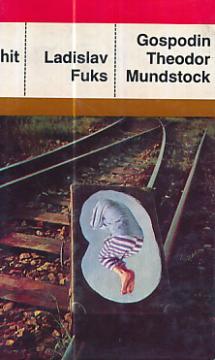
Gospodin Theodor Mundstock
Ladislav Fuks' „Herr Theodor Mundstock“ erzählt die Geschichte eines einsamen Juden im besetzten Prag, der, in Erwartung der Deportation in ein Konzentrationslager, sich mental und physisch auf das Überleben vorbereitet.
„Herr Theodor Mundstock“ (1963) ist ein psychologischer Roman des tschechischen Schriftstellers Ladislav Fuchs, der im Prag der Nazi-Besatzung spielt. Die Hauptfigur, Theodor Mundstock, ein zurückgezogen lebender jüdischer Angestellter, lebt in ständiger Angst vor der Deportation in ein Konzentrationslager. Im Bewusstsein, seinem Schicksal nicht entfliehen zu können, versucht er sich darauf vorzubereiten – auf die einzige Weise, die ihm möglich erscheint: durch tägliche Übungen und Disziplin. In seiner Wohnung simuliert er die Bedingungen des Lagerlebens: Er gewöhnt sich an Hunger, harte körperliche Arbeit, langes Stehen, Schlafen auf hartem Untergrund und den Verzicht auf das Nötigste. Gleichzeitig führt er imaginäre Gespräche mit seiner imaginären Begleiterin Mona, die seine innere Stimme, seine Ängste und Hoffnungen verkörpert.
Der Roman beschreibt nicht direkt die Schrecken der Konzentrationslager, sondern vielmehr den psychischen Zustand eines Mannes, der in ständiger Erwartung einer Katastrophe lebt. Fuchs schildert meisterhaft, wie die ständige Angst die Persönlichkeit zerstört, aber auch, wie ein Mann versucht, in hoffnungslosen Umständen Würde und Sinn im Leben zu bewahren. Theodor ist ein einfacher, bescheidener Mann, der nicht zu Waffen greift, sondern darum ringt, seine Angst zu überwinden und seine Menschlichkeit zu bewahren. Die tragische Ironie des Romans zeigt sich in seinem Ende: Nach langen Vorbereitungen auf die Deportation stirbt Mundstock kurz vor seiner Ankunft im Lager bei einem Autounfall. Das Werk ist eine eindringliche Antikriegsbotschaft und ein humanistisches Zeugnis der Folgen von Verfolgung, Totalitarismus und Entmenschlichung, aber auch der inneren Stärke eines Menschen angesichts seines unausweichlichen Schicksals.
Angeboten wird ein Exemplar