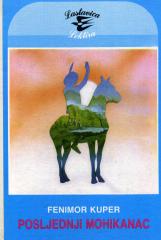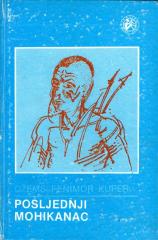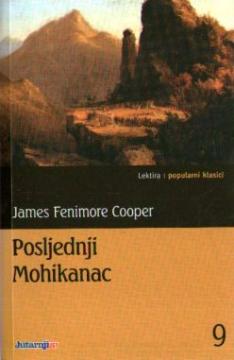
Posljednji Mohikanac
During the French and Indian War of 1757, Hawkeye and the Mohicans Uncas and Chingachgook follow two sisters through the wilderness. The struggle for survival, love, and the last of the Mohicans in the conflict between civilization and nature.
The Last of the Mohicans (1826) is the best-known and most successful novel by American writer James Fenimore Cooper. It is part of the Leatherstocking Tales series and is considered one of the foundational works of American national literature.
The story is set in 1757 during the French and Indian War. The English fort William Henry is under siege by French forces and their Indian allies. Colonel Munro's two daughters – the brave and determined Cora and the gentle Alice – set off through the wild forest towards their father. They are accompanied by Major Duncan Heyward, and later joined by the legendary hunter and scout Natty Bumppo (aka Hawkeye or Hawkeye), his friend, the wise Mohican Chingachgook, and his son Uncas – the last pure-blood member of the Mohican tribe.
The novel is full of thrilling adventures: ambushes, chases through the forests, battles with the Hurons led by the wicked Magua, rescues, and dramatic scenes at waterfalls. Cooper masterfully portrays the American wilderness – magnificent, dangerous, and untamed – as the novel’s main character.
The work is rich in romantic ideals: it celebrates the natural man, the noble savage, and heroism. Uncas and Cora symbolize the tragic, impossible love between different cultures and races. Cooper contrasts the “noble” Indians (Mohicans) with the “savages” (Hurons), and depicts the conflict between the indigenous peoples and the encroaching white civilization.
The style is romantic, sometimes pathetic, and idealized, with long descriptions of nature and action scenes that were extremely vivid in their time. The novel had a huge influence on the creation of the myth of the American Wild West and the “noble savage.”
The book has become a world classic, adapted into a film several times (the most famous version is from 1992, starring Daniel Day-Lewis). It is still read today as an exciting adventure and an important document about early American myths, the relationship to nature, and the complex relationships between settlers and natives.
Multiple copies are available