Krčma na plovnom putu
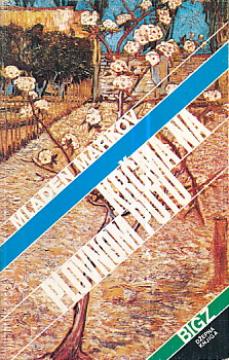
Mladen Markov (1934–2013), vojvođanski srpski prozaik poznat po temama iz ruralnog života Bačke, ratnih trauma i poslijeratnih sudbina, objavio je zbirku Krčma na plovnom putu kao izbor pripovijedaka.
Naslovna priča i većina tekstova smješteni su u panonski, plovni kraj uz Dunav ili kanale – simbolički "plovni put" života, gdje se susreću prolaznost, seoska svakodnevica, ratne rane i poslijeratna stvarnost. Markov piše realistično, s dozom lirizma i socijalne kritike, fokusirajući se na obične ljude – seljake, radnike, povratnike iz rata, žene i djecu – uhvaćene u mrežu povijesti, siromaštva i moralnih dilema.
Posebno važne su priče o sudbini bačkih Nijemaca (Folksdojčera): "Služba Adolfine Froman", "Žito", "Fric" i "Šampion" – prikazuju kako su dojučerašnji susjedi postali neprijatelji u ratu, a poslije u logorima i progonom. Markov ne sudi crno-bijelo: pokazuje složenost mržnje, izdaje, ali i ljudskosti u ekstremnim uvjetima. Propituje kako su mirni sugrađani (Srbi, Nijemci, Mađari) došli do međusobnog istrebljenja, te kritizira poslijeratne represije nad civilima.
Ostale priče bave se seoskim životom, ljubavlju, smrću, radom na poljima, alkoholom u krčmama – metafori za prolaznost i besmisao. Stil je jednostavan, jezik bogat dijalektom, s jakim osjećajem za detalje svakodnevice i psihologiju likova.
Zbirka je dio Markovljevog opusa o Vojvodini (uz "Žablji skok", "Isterivanje boga"), važan za razumijevanje multietničkih trauma u Jugoslaviji. Realistična, emotivna i bez patetike – pokazuje kako "plovni put" povijesti nosi ljude prema neizvjesnosti, a krčma ostaje mjesto gdje se još susreću, pričaju i pamte. Knjiga je rijetka u antikvarijatima, cijenjena među ljubiteljima vojvođanske proze.
Two copies are available