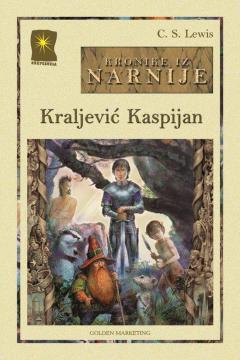
Kronike iz Narnije IV: Kraljević Kaspijan
Times are tough in Narnia, which is engulfed in civil war. Prince Caspian is forced to send a call for help to the heroes who have already proven themselves in Narnia - Peter, Susan, Edmund and Lucy. They must dethrone Caspian's uncle, King Miraz.
The story takes place a hundred years after the Pevensie children's reign in Narnia. Narnia has been conquered by the Telmarians - human invaders who have displaced the talking animals, fauna, dwarves and old gods. The Telmarians have banned the old beliefs, and the Narnians live in secrecy or slavery.
Caspian X., the young prince of Telmarians, is raised by his uncle Miraz - a usurper who killed Caspian's father and declared himself king. When Miraz's wife gives birth to a son, Caspian becomes the superfluous heir and flees into the forest. There he meets the old dwarf Trumpkin, who tells him the truth about the real Narnia: about Aslan, the talking animals and ancient times.
Caspian calls old Narnia to revolt against Miraz. Meanwhile, in England, Peter, Susanna, Edmund and Lucy are waiting for a train at the station when a magic horn (blown by Caspian) calls them back to Narnia. The children appear on the island and meet Caspian and his allies.
Aslan does not show himself immediately. The children look for a way to help. Peter challenges Miraz to a duel - Miraz agrees, but his men betray him and kill him during the fight. A great battle begins at Beruna. The Narnians lose the advantage, but Aslan arrives: he awakens the rivers, the wood spirits, awakens the sleeping giants and destroys the Telmars.
Aslan opens a portal - Telmars who wish can return to their original world (there were pirates on Earth who entered through the portal). Peter and Susan can no longer come to Narnia (because they are adults), but Edmund and Lucy can. Caspian becomes king and rules justly.
The book deals with themes of faith (searching for Aslan in difficult times), betrayal, restoring the old order and growing up - the children change, and Narnia awakens from a long sleep.
No copies available
The last copy was sold recently.