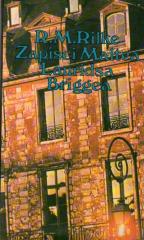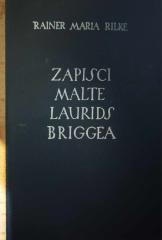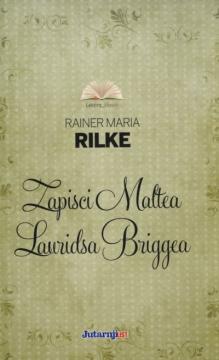
Zapisci Maltea Lauridsa Briggea
Zapisci Maltea Lauridsa Briggea (1910.) Rainera Marije Rilkea, njegov jedini roman, introspektivna je i poetična pripovijest o unutarnjem previranju mladog danskog plemića Maltea Lauridsa Briggea u Parizu.
Pisan u obliku dnevničkih bilješki, roman istražuje teme egzistencijalne tjeskobe, smrtnosti, umjetnosti i gubitka identiteta u modernom svijetu.
Malte, 28-godišnji pjesnik, dolazi u Pariz tražeći inspiraciju, ali se suočava s osjećajem otuđenja i straha. Grad, bučan i kaotičan, pojačava njegovu unutarnju nesigurnost. Kroz fragmentirane misli, sjećanja na djetinjstvo u Danskoj i promišljanja o povijesti svoje aristokratske obitelji, Malte razmatra prolaznost života i nemogućnost pronalaženja smisla. Susreće siromašne, bolesne i izopćene, što ga navodi na razmišljanja o patnji i smrti. Njegove bilješke isprepliću stvarnost, snove i filozofske refleksije, stvarajući slojevitu sliku čovjeka koji se bori s vlastitim postojanjem.
Roman nema klasičnu radnju, već je mozaik dojmova, simbola i lirskih pasaža. Malteova opsesija prošlošću i strah od budućnosti odražavaju Rilkeovu vlastitu potragu za duhovnim i umjetničkim odgovorima. Djelo, smješteno između realizma i modernizma, utjecalo je na egzistencijalističku književnost, a njegova introspektivna dubina čini ga univerzalnim istraživanjem ljudske duše i umjetničkog poziva.
No copies available
The last copy was sold recently.